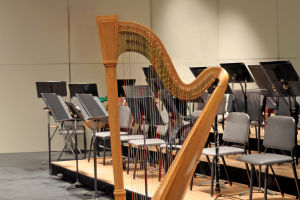
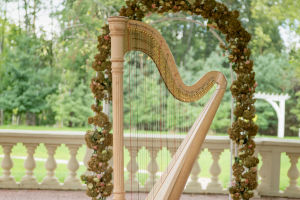
The harp combines elegant form with carefully engineered acoustic properties. Its strings, frame, soundboard, and soundbox work together to transform individual plucks into clear notes and resonant melodies.
Every component contributes to the instrument’s tonal character, responsiveness, and musical versatility.
Understanding harp design reveals how structural precision and material choices influence sound production. From the arrangement of the strings to the construction of the soundboard, each design decision supports the instrument’s performance.
How the Harp Produces Sound
When a player plucks a harp string, it vibrates at frequencies determined by its physical properties and playing conditions. These vibrations transfer energy to the soundboard, which moves the surrounding air and makes the sound more audible.
The soundboard plays a central role in shaping the instrument’s acoustic response. Its thickness, stiffness, dimensions, and construction affect how efficiently it responds to string vibrations and projects sound into the surrounding space.
The soundbox complements this process by influencing the movement of air within the instrument. Together, the soundboard and soundbox contribute to the harp’s resonance, tonal balance, and projection.
String Tension and Pitch
A harp produces its broad musical range through strings of different lengths, thicknesses, masses, and tensions. Each string is designed to produce a particular pitch, creating the sequence of notes needed for melodies and harmonies.
String tension is an important factor in determining pitch. For a given string, its vibrating length, tension, and mass per unit length work together to establish its fundamental frequency. Shorter strings generally produce higher notes than longer strings when other relevant properties are comparable.
The frame must withstand the combined tension of the strings while maintaining the instrument’s geometry. Its design balances structural strength with the flexibility required for the soundboard to respond effectively. Accurate alignment also helps maintain consistent string spacing and reliable playing conditions.
Materials and Acoustic Performance
Material selection influences the harp’s durability, structural stability, and acoustic response. Wood is commonly used for major structural components because its density, stiffness, and grain characteristics can be suited to different construction requirements.
The properties of the wood interact with the shape and dimensions of each component to influence vibration and tonal response. Careful material selection and skilled shaping help create an instrument with a balanced sound across its range.
Strings also contribute to performance. Depending on the harp’s design, they may be made from nylon, gut, or other suitable materials. Their physical properties affect flexibility, tuning stability, durability, and the way they respond when plucked.
The finished instrument reflects the interaction of these materials rather than any single component alone. Successful construction brings structural reliability and acoustic performance into a carefully balanced design.
Precision in Harp Construction
Harp making requires accurate measurements and careful assembly. The frame must support string tension, the attachment points must maintain correct alignment, and the soundboard must be constructed to respond appropriately to vibration.
String spacing is equally important because it affects playing comfort and accuracy. The arrangement must allow the player to reach individual strings naturally while preserving the intended layout of the instrument.
The dimensions and stiffness of the soundboard influence its vibration patterns and response across different pitches. By refining component proportions, joints, and string positions, makers can shape the harp’s responsiveness and tonal balance.
Each part must function as part of an integrated system. Precision in design and construction allows the instrument to combine mechanical stability with expressive sound.
Preserving Sound and Performance
Proper care helps maintain a harp’s tuning stability, structural condition, and musical response. Because wooden components can react to environmental changes, consistent temperature and humidity conditions help protect the instrument and support reliable performance.
Regular tuning keeps the strings close to their intended pitches. Players should also inspect strings for signs of wear, keep the instrument clean using appropriate methods, and follow care recommendations suited to its materials and construction.
Suitable storage and gentle handling help preserve the finish and structural alignment. Periodic professional servicing is particularly useful for harps with complex mechanisms, allowing adjustments and maintenance to be carried out according to the instrument’s needs.
The Craft Behind the Harp
The harp’s distinctive voice comes from the coordinated performance of its strings, soundboard, soundbox, and supporting frame. String properties establish the pitches, while the instrument’s structure shapes how vibrations become the rich, resonant sounds heard by the listener.
Through precise engineering, thoughtful material selection, and skilled craftsmanship, harp makers unite structural design with musical expression. The result is an instrument that combines graceful proportions with a wide tonal range, responsive playing characteristics, and enduring artistic appeal.