Have you ever heard a harp in a concert hall or a film soundtrack and wondered how to play it? Friends, learning this beautiful instrument can be an exciting musical adventure.
With a suitable harp, a comfortable position, and regular practice, we can gradually turn simple notes into lovely melodies. Let’s explore how beginners can get started and enjoy music in their own way.
Choose the Right Type of Harp
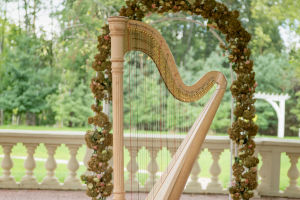
Two common choices are lever harps and pedal harps. A lever harp has small levers near the strings that change certain notes. Many models are relatively compact and convenient for home practice, lessons, and small performances. Their warm sound suits folk tunes, traditional melodies, and modern arrangements.
A pedal harp has seven pedals that change pitches, making it suitable for classical compositions and orchestral music. It is usually larger, heavier, and more complex to maintain. Double-string and triple-string harps offer other possibilities, but lever and pedal models are practical starting points for many beginners.
Match Your Harp to Your Musical Goals
Think about the music you want to play. If you enjoy classical concerts, a pedal harp may suit your interests. If you prefer folk melodies or need an easier-to-transport instrument, a lever harp may be more convenient.
Visit a music shop, attend a live performance, or ask a music teacher for advice. Renting before buying allows us to explore the instrument without making a large investment. Prices vary according to size, materials, condition, and manufacturer. Professional pedal harps can cost thousands of dollars, while smaller models are often more affordable.
When considering a used instrument, ask an experienced player or qualified technician to inspect it. Repair costs can make an inexpensive purchase less attractive.
Find a Comfortable Playing Position
Good posture helps us play comfortably and control the strings. Choose a sturdy chair that allows both feet to rest flat on the floor. Sit close enough to reach the strings without leaning forward or raising your shoulders.
Position the harp according to its instructions, allowing the body to rest securely against you. Keep your shoulders relaxed, elbows comfortable, and wrists in a natural position. Your hands should reach the strings without unnecessary stretching.
If the instrument feels difficult to balance, ask a teacher to check your position. Comfortable movement is important when practicing regularly.
Learn the Strings and Tune Your Harp
Many harps use colored strings to help players identify notes. C strings are commonly red, while F strings are often blue or black. These visual markers help us find familiar notes more quickly.
Regular tuning keeps the sound clear and accurate. Use the tuning key supplied with your instrument and follow the manufacturer's instructions. An electronic tuner can help beginners check each pitch. If you are unfamiliar with the process, ask an experienced player to demonstrate it.
Before tuning, check the pedal or lever positions recommended for your particular model. Make small adjustments carefully rather than changing several strings at once.
Play Your First Notes
Beginners usually start with the thumb and first three fingers. Keep your fingernails short when learning standard techniques on a lever or pedal harp. Gently draw a string with one finger and release it to produce a clear note.
After playing, bring the finger back toward the palm in a relaxed movement. Avoid squeezing the strings or forcing your fingers into uncomfortable positions. Begin with individual notes and listen carefully to their different pitches and tones.
Practise a Simple Melody
Once we can find several notes, we can try a familiar tune such as "Row, Row, Row Your Boat." Begin slowly and practice one short phrase at a time. Repeat each phrase until the notes sound clear and the movements feel comfortable.
If a note sounds unclear, check your hand position and try again gently. Moving between neighboring strings can also improve coordination. We do not need to rush into complicated music before the basics feel natural.
Learning the harp combines careful listening, relaxed movement, and regular practice. By choosing a suitable instrument and learning one melody at a time, we can develop our skills at a comfortable pace. Lessons, recordings, and live performances can keep us inspired along the way.
What would you enjoy playing first: a folk tune, a classical composition, or a melody of your own? Share your choice with fellow music lovers and enjoy discovering the harp's sound.