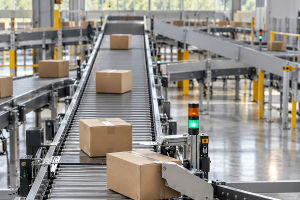
Have you ever wondered how a parcel travels through a busy distribution center and reaches the correct destination? Dear Lykkers, automated sorting lines help warehouses and delivery networks process thousands of packages with speed and accuracy.
However, their performance depends on more than powerful machines. Correct parcel placement, reliable scanning, and well-timed movements all play important roles. Let's explore how these systems work, why different facilities need different designs, and how small adjustments can improve everyday logistics.
How an Automated Sorting Line Works
An automated sorting line combines conveyor belts, scanning equipment, control software, and sorting mechanisms. Each component has a specific task, but the entire system depends on their coordination.
The process starts when workers or automated feeders place parcels onto the main conveyor. Shipping labels should face a readable direction, while suitable gaps separate neighboring packages. If parcels overlap, scanners may struggle to capture the correct information. If the gaps are too large, conveyor space remains unused.
Once a label is scanned, the control system identifies the intended destination and sends instructions to the sorting mechanism. The package must reach the correct exit at the right moment. If the instruction arrives too late, the parcel may pass its intended destination and require another handling step.
For this reason, operators regularly adjust conveyor speeds and feeding rates. The goal is not simply to make every machine move faster. A steady flow allows each stage to work efficiently without overwhelming the next one.
Why Different Facilities Need Different Designs
Online retail warehouses, international distribution hubs, and local delivery centers handle different types of packages. Their sorting systems should reflect these differences.
In an online retail warehouse, parcels often arrive directly from packing stations. Boxes tend to have regular shapes, and labels are usually placed in predictable positions. These conditions allow operators to prioritize continuous movement, smooth conveyor connections, and convenient access to popular destinations.
For example, carefully designed belt connections help prevent boxes from catching on edges. Placing frequently used sorting exits along the main flow can also reduce unnecessary movement and help orders reach dispatch areas sooner.
Large distribution hubs face more varied conditions. They may handle small cartons, oversized packages, flexible mailing bags, and parcels with uneven shapes. Labels can become wrinkled during transportation, making them difficult to scan.
These facilities may benefit from cameras positioned at different angles, adjustable sorting settings, and equipment designed for a wider range of package sizes and weights. The right setup depends on parcel types, available floor space, and daily processing needs.
Why Regular Checks Still Matter
Automation reduces repetitive manual work, but human supervision remains important. Workers who understand the system can recognize early warning signs and resolve minor issues before they interrupt operations.
Flexible mailing bags and unusually shaped parcels deserve particular attention. A loose corner may become trapped between a conveyor and a sorting chute. If it remains there, later packages may catch on the material, damage their packaging, or interfere with the movement of the rollers.
Teams can reduce these risks by inspecting areas where jams frequently occur and installing appropriate guides when needed. Recording recurring issues, such as missing labels or parcels getting stuck at a particular exit, also helps maintenance staff identify practical improvements.
Routine cleaning, sensor checks, and inspections of conveyor connections are equally valuable. A regular maintenance schedule helps facilities maintain consistent performance instead of waiting for an equipment alarm.
Why Maximum Speed Is Not Always Best
A sorting line's advertised maximum capacity may look impressive, but operating close to that limit throughout the day can make performance less stable.
Moving components experience normal wear, and small changes can affect timing between sections. Sensors may occasionally miss labels, while crowded conveyor areas can create queues. When parcels arrive faster than the system can reliably process them, delays may spread throughout the facility.
Leaving some spare capacity helps a sorting line manage sudden increases in parcel volume. It also gives workers time to respond when unusual packages arrive or equipment needs attention.
During a seasonal shopping rush, for instance, a distribution center can control how quickly parcels enter the main conveyor rather than releasing everything at once. This approach helps maintain scanning accuracy and reduces unnecessary pressure on sorting equipment.
Automated parcel sorting works best when machinery, software, package flow, and human supervision support one another. Accurate label positioning, coordinated conveyor speeds, suitable equipment, and regular maintenance all contribute to reliable logistics. Next time a parcel arrives at your doorstep, think about the many steps that helped it reach you. Which part interests you most: scanning technology, automated routing, or equipment maintenance?