Dear Lykkers, have you noticed how solar panels are appearing on rooftops, farms, and open landscapes around the world? From sunny Mediterranean coastlines to windy northern shores, countries are exploring ways to turn natural resources into reliable electricity.
As cities grow, industries expand, and more people use electric vehicles, the demand for power continues to rise. Solar and wind energy are becoming important parts of this global change, offering communities new ways to produce electricity and build a more sustainable future.
Solar Power: Turning Sunlight Into Electricity
Solar power uses photovoltaic panels to convert sunlight directly into electricity. When sunlight reaches the cells inside a panel, it creates an electrical current that can power lights, appliances, offices, and industrial equipment. The system can also connect to a battery, allowing some electricity generated during the day to be used later.
Solar installations serve different needs across the world. In sunny regions, large solar farms can supply electricity to power networks. In densely populated cities, rooftop panels make use of existing building space. Remote communities can also use smaller systems where extending conventional power lines is expensive.
Solar energy produces no direct air pollution while generating electricity. However, output changes with daylight, cloud cover, and seasonal conditions. Installation costs, available space, and battery capacity also affect performance. Continued improvements in panel efficiency and manufacturing are helping make solar technology more accessible across different markets.
Wind Power: Capturing Nature's Energy
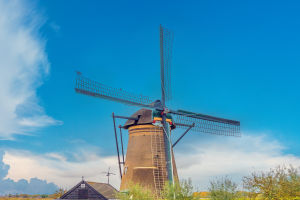
Wind turbines convert moving air into electricity. Wind turns the blades, which drive a generator that produces electrical power. Turbines are commonly installed on land, while offshore projects take advantage of suitable wind conditions over the sea.
Different regions offer different opportunities. Open plains can support large onshore wind farms, while coastlines and offshore areas may provide strong, steady winds. Countries with limited available land may also explore offshore development, although construction, grid connections, and maintenance can require substantial investment.
Wind power generates electricity without direct air pollution during normal operation. Its main challenge is changing wind speed. Engineers assess local weather patterns before selecting sites, and forecasting systems help electricity providers prepare for variations in production. Careful planning helps projects deliver more consistent value over their operating lives.
Why Combining Solar and Wind Matters
Solar and wind power can work well together because their production patterns often differ. Solar panels usually generate the most electricity during daylight, while wind turbines may produce more power during evenings, overnight, or other periods, depending on local weather.
This combination can improve the balance of electricity supply. For example, a region with sunny days and reliable evening winds may benefit from using both technologies rather than depending heavily on either one alone. Batteries can store some surplus electricity, while connected power grids can move energy between areas when demand changes.
Still, no combination guarantees uninterrupted supply. Extended cloudy periods or weak winds can reduce production. Reliable systems also need energy storage, modern transmission networks, flexible electricity demand, and other dependable power sources.
Global Cooperation and Investment
Expanding renewable energy requires cooperation among governments, businesses, researchers, and local communities. Public policies can encourage investment through financial incentives, transparent approval procedures, and funding for grid improvements. Companies contribute by developing equipment, managing projects, and training workers to install and maintain new systems.
International cooperation also matters because countries have different natural resources, technical capabilities, and energy needs. Sharing research, engineering experience, and effective planning methods can help projects become more efficient. At the same time, each region needs solutions suited to its climate, landscape, infrastructure, and local priorities.
Smarter Technology for Tomorrow
The future of renewable electricity depends on advances beyond panels and turbines. Better batteries can store more energy, while digital monitoring systems help operators match electricity supply with changing demand. Improved weather forecasting can also make production easier to plan.
Electric vehicles create another opportunity. Smart charging systems can encourage drivers to charge when renewable electricity is plentiful. In suitable systems, vehicle batteries may also support the wider grid through specialized technology. These developments could help cities manage electricity more efficiently as transport and energy systems become increasingly connected.
Our Role in a Sustainable Future
Lykkers, solar and wind power are not simply local technologies. They are part of a worldwide effort to meet growing electricity needs while reducing environmental impacts. Their success depends on thoughtful investment, reliable infrastructure, technical progress, and cooperation across borders.
We can follow this transition by learning how electricity is produced, understanding local energy choices, and supporting practical improvements in efficiency. Which technology seems more suitable for your region: solar panels, wind turbines, or a combination of both? Considering local conditions can help us understand how different communities can contribute to a cleaner and more resilient energy future.