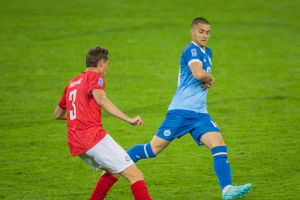
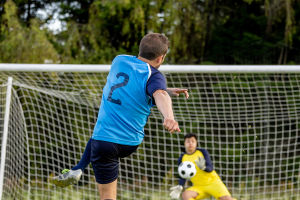
Hi, Readers! Watching football gets much more interesting when you can read what is happening beyond the ball.
A good match reader notices shape, spacing, movement, pressing, and the small choices that change the flow of play. This is not a gift that only coaches have.
It is a skill that grows with patient watching, clear focus, and a few useful habits. Once you stop following only the player in possession and begin scanning the full picture, the game starts to make much more sense.
Start With Team Shape
A strong first step is learning to recognize team structure. Most sides are arranged in lines that help them defend space and support passing. When you watch, ask simple questions. How many players stay deep? How many are in midfield? How wide is the front line? These details show whether a team wants control in the center, quick progress down the sides, or extra security at the back. Shape is never completely fixed, so try to notice how it changes when a team has the ball and when it loses it. That contrast tells you a lot about the match plan.
Watch Space, Not Just the Ball
Many new viewers stare at the ball from start to finish. That is natural, but it hides the real story. Football is often decided by who uses space better. Look at the gaps between defenders, the open channels near the touchline, and the pockets between midfield and defense. Notice which players move into these areas before they receive a pass. Good teams create room by pulling opponents out of position, then using the empty area that appears. If you train yourself to track open space, passing patterns become easier to understand.
Learn Off-the-Ball Movement
A large part of match reading is noticing players who do not touch the ball. Some runs drag markers away. Some offer support behind or beside the ball. Others stretch the field so teammates have more time. Watch how full-backs overlap, how midfielders rotate, and how forwards check short before turning into space. These actions may look small, but they shape nearly every attack. The player who receives the pass often gets attention, yet the earlier movement is usually what made the play possible.
Notice Pressing and Defensive Lines
Defending is not only about tackles. It is also about direction, timing, and compact spacing. Try to see where a team begins its press. Do forwards close down early, or does the side wait in a deeper block? Watch whether defenders hold a high line or drop back. The distance between lines matters too. If midfield and defense stay close, it becomes harder for the opponent to play through the middle. When these gaps grow, dangerous spaces appear. Reading these defensive details helps explain why some teams look calm while others seem stretched.
Use Simple Questions During the Match
To build this skill, give yourself a checklist. Who has control of central space? Which side is creating overloads out wide? Where does the next pass likely go? Which player is free but ignored? Is one team forcing play toward the sideline? These questions keep your eyes active and your thinking organized. You do not need to answer everything perfectly. The goal is to practice observing patterns. Over time, repeated questions turn into instinct, and your reading becomes faster and sharper.
Rewatch Key Moments
One of the best ways to improve is to revisit short sequences. Pause before a goal, a turnover, or a dangerous attack, then look at player positions across the field. What movement started the action? Which line was broken? Who reacted late? Rewatching slows the match down and reveals details that live viewing can hide. It also helps connect tactics with outcomes, which is essential if you want to understand not just what happened, but why it happened.
Build Knowledge Gradually
It helps to learn a few common tactical ideas such as width, depth, compactness, pressing triggers, and overloads. You do not need complicated terms to read a match well. What matters is seeing recurring patterns and linking them to team choices. Try watching one player for several minutes, then one zone of the pitch, then the full team shape. This gradual method trains your attention in a practical way.
In the end, reading a football match is about seeing relationships: player to player, line to line, and space to movement. The more carefully you watch, the more the game opens up. Next time you see a match, try focusing on one idea at a time and talk through what you notice. That simple habit can turn every match into a much richer experience.