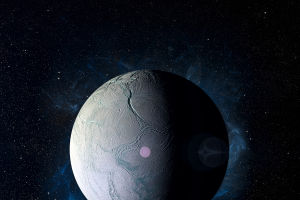
Seeing Earth from space is one of the most extraordinary experiences in human exploration. From orbit, the planet appears as a fragile and connected world surrounded by the vastness of space, offering a perspective that cannot be experienced from the ground.
Beyond its visual beauty, this view creates important psychological and scientific insights. Space missions place humans in unique environments where adaptation, teamwork, and emotional well-being become essential areas of research.
A Unique View of Earth
From space, Earth appears as a single interconnected planet without visible borders. The contrast between oceans, land, clouds, and the thin atmosphere creates a powerful image of a world shaped by natural systems working together.
This perspective can influence how astronauts understand their home planet. Observing Earth from orbit often encourages deeper appreciation of its environment and highlights the importance of studying and protecting the systems that support life.
How Space Changes Human Perspective
Space travel provides an experience unlike everyday life. Astronauts must adapt to carefully planned schedules, limited living environments, and long periods away from familiar surroundings.
The combination of distance, responsibility, and a completely different environment can influence how people view Earth and humanity’s place within it. Space exploration can create a broader understanding of connection, cooperation, and the relationship between humans and the planet.
The Psychology of Long-Duration Space Missions
Long-duration missions require careful study because the human mind responds to major changes in environment and routine. Factors such as limited personal space, demanding responsibilities, communication challenges, and repetitive schedules can influence attention, emotions, and teamwork.
Sleep and daily rhythms are also important areas of research. Changes in lighting conditions, schedules, and mission activities can affect sleep patterns, which are closely linked to concentration, decision-making, and overall performance.
Understanding these psychological factors helps researchers develop better approaches for supporting astronaut health, safety, and effectiveness during future exploration missions.
Preparing Humans for Future Exploration
Successful space exploration depends on more than advanced technology. Human preparation is equally important, requiring strong communication, teamwork, problem-solving skills, and the ability to adapt to unfamiliar environments.
Structured routines, meaningful activities, and effective cooperation help maintain performance during extended missions. Maintaining connections with support systems on Earth also plays an important role in helping astronauts remain focused and prepared.
As missions extend farther into space, understanding human adaptation will become increasingly important for future exploration.
What Space Exploration Teaches Us About Earth
The view of Earth from space provides a unique scientific and emotional perspective. The planet’s atmosphere, oceans, and natural landscapes reveal how interconnected Earth’s systems are.
Space exploration is not only about discovering new environments beyond our planet. It also improves understanding of Earth itself by encouraging research into climate, ecosystems, and the conditions that make life possible.
Earth viewed from space represents more than a beautiful image. It combines science, human experience, and exploration, offering valuable insights into both our planet and ourselves.
As humanity continues exploring beyond Earth, understanding the human side of space travel will remain essential. The journey into space is not only about reaching distant destinations but also about learning how humans adapt, cooperate, and discover new perspectives on the world we call home.