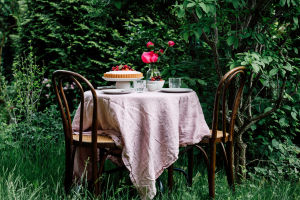
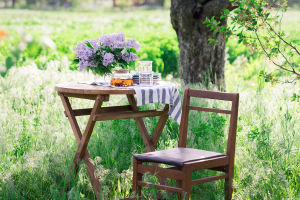
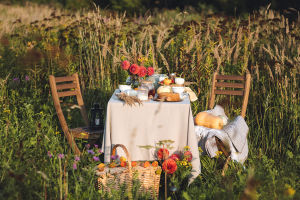
Outdoor spaces often become natural extensions of the home, whether it’s a patio, balcony, or garden corner. Choosing the right outdoor table and chair materials is essential because they must withstand changing weather while still offering comfort and style. The right selection ensures durability, easier maintenance, and a more enjoyable outdoor living experience.
A quiet patio, a balcony with morning light, or a garden corner waiting to be used more often—outdoor furniture defines how a space feels and functions.
Among all choices, tables and chairs matter most because they endure constant exposure.
The material you choose determines not only appearance but also durability, comfort, and long-term maintenance effort.
Teak Wood: Natural Strength
Teak is one of the most respected materials for outdoor furniture. Its natural oils give it strong resistance to moisture and environmental wear, making it suitable for long-term outdoor use.
Key characteristics:
- High resistance to cracking and warping
- Naturally water-resistant surface
- Warm, classic appearance that ages gracefully
Over time, teak may develop a silver-gray tone, which many people appreciate for its natural weathered look. However, it requires occasional oiling if the original color is preferred.
Aluminum: Lightweight and Practical
Aluminum is widely used for modern outdoor furniture because of its lightweight structure and corrosion resistance. It is easy to move, making it ideal for flexible outdoor setups.
Advantages include:
- Rust-resistant surface
- Easy to clean with minimal effort
- Suitable for both small and large spaces
Powder-coated aluminum adds extra protection and allows for a variety of color finishes, making it both functional and visually adaptable.
Steel: Strong but Demanding Care
Steel provides excellent strength and stability, making it suitable for heavier or more permanent outdoor setups. However, it requires proper coating to prevent rust.
Considerations:
- Very sturdy under heavy use
- Can support larger table structures
- Needs protective coating to resist moisture
Galvanized or powder-coated steel performs better in outdoor conditions. Without protection, exposure to rain can lead to surface damage over time.
Rattan and Woven Materials
Synthetic rattan is commonly used for outdoor furniture due to its flexibility and comfort. Unlike natural fibers, modern versions are designed to withstand weather changes.
Features include:
- Lightweight woven structure
- Comfortable seating surface
- Resistance to fading under sunlight
These materials are often paired with aluminum frames to improve stability while maintaining a natural aesthetic.
Plastic and Resin Options
Plastic-based materials offer affordability and ease of maintenance. High-quality resin furniture has improved significantly in durability and appearance.
Benefits:
- Low maintenance requirements
- Lightweight and easy to move
- Resistant to moisture and staining
Modern designs can mimic wood or woven textures, making them more visually appealing than traditional plastic furniture.
Stone and Concrete Tables
For a more permanent outdoor setup, stone or concrete tables provide excellent stability. They are often chosen for gardens or fixed outdoor dining areas.
Key traits:
- Extremely durable and weather-resistant
- Heavy structure prevents movement in wind
- Minimal maintenance required
However, their weight makes them less suitable for spaces that require frequent rearrangement.
Choosing Based on Environment
Material selection should always consider local weather conditions and usage patterns.
1. Sunny climates
UV-resistant materials like aluminum or treated wood perform best.
2. Rain-prone areas
Water-resistant materials such as teak or coated metals are more reliable.
3. Small balconies
Lightweight furniture like aluminum or resin offers flexibility.
4. Permanent garden setups
Stone or steel provides long-term stability.
Matching material to environment ensures longer lifespan and better performance.
Maintenance Considerations
Each material requires a different level of care. Understanding maintenance needs helps avoid unnecessary wear.
- Wood requires periodic treatment
- Metal needs rust protection checks
- Woven materials should be cleaned regularly to prevent dust buildup
- Resin surfaces benefit from simple wiping
Proper maintenance extends both appearance and structural integrity.
Balancing Style and Function
While durability is important, visual harmony also matters. Outdoor furniture should complement the surrounding space rather than dominate it.
Neutral tones often blend well with natural environments, while darker finishes create a more modern feel. Texture also plays a role in how comfortable and inviting the space feels.
Choosing outdoor table and chair materials is ultimately about balance—between durability, maintenance, and visual appeal. With the right selection, even a simple outdoor area can become a comfortable, long-lasting extension of everyday living space.