The Significance of Sculpture in Public Spaces
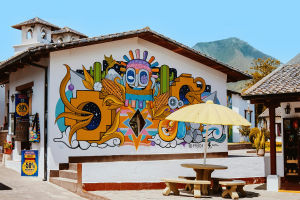
Public art, particularly sculpture, plays an important role in the visual identity of cities, towns, and communities.
These structures are not merely decorative; they provide a powerful means of communication, reflecting cultural values, historical narratives, and even governmental ideologies. Sculptures in public spaces create an open dialogue between the artist, the piece itself, and the people who interact with it daily. From bustling city squares to peaceful parks, these sculptures make spaces more vibrant and accessible.
Enhancing Cultural Identity Through Sculpture
Sculpture is a key element in the creation of a community's identity. It acts as a visual representation of a city's values, history, and artistic achievements. Many cities around the world commission sculptures that reflect their unique culture or commemorate historical events. For example, the "Statue of Liberty" in New York City stands as a symbol of freedom and hope, not just for the U.S. but for people across the world.
1. Preserving Cultural History
Sculptures often serve as tangible reminders of past events, allowing people to remember their history and heritage. Memorials and monuments to important figures, conflicts, or social movements help educate the public about a community's collective story.
2. Symbolizing Modern Values
Modern sculptures are frequently used to express contemporary issues, ideas, or movements. Art installations that tackle social, societal, or environmental topics can spark important conversations and reflect the evolving values of society. These pieces challenge people to think critically about their surroundings and place in the world.
Public Sculptures as a Space for Social Interaction
Sculptures in public spaces are not just pieces to look at—they are interactive and foster engagement within the community. People often gather around sculptures, whether to appreciate the art, take photographs, or use the area as a social gathering spot. These artworks invite people to pause, reflect, and connect, enriching their experience of the space.
1. Bringing People Together
Public sculptures can create a sense of unity and shared experience. Whether it's a gathering place for conversations or a spot for quiet contemplation, these works of art foster connection.
2. Inspiring Creativity and Dialogue
By stimulating emotional responses, public sculptures encourage people to reflect on their personal beliefs and views. This encourages creativity and provides opportunities for discussions, making the artwork a medium for self-expression and community dialogue.
Making Art Accessible to All
One of the main advantages of public sculptures is that they are freely accessible to anyone. Unlike traditional galleries or museums, public sculptures do not require admission fees, allowing people of all ages, backgrounds, and financial means to engage with art. By integrating sculpture into public spaces, cities democratize art, making it a part of daily life.
1. Creating Open Air Galleries
Public spaces with sculptures act as open-air galleries where the community can explore art without constraints. This increases art accessibility, making it possible for everyone—from tourists to locals—to experience art in their everyday surroundings.
2. Encouraging Local Involvement
Many cities also involve local artists in the creation of public sculptures, ensuring that the works reflect the community's character. This local involvement also fosters a sense of pride and ownership over the artwork, enhancing its relevance and emotional impact.
Conclusion
Sculpture in public spaces is far more than just decoration—it's an integral part of how we understand and experience the world around us. By enhancing cultural identity, fostering social interaction, and making art accessible to everyone, sculptures transform public spaces into dynamic environments. They allow cities to express their history, values, and creativity while also encouraging engagement and connection among people. Whether standing as grand monuments or small, thought-provoking installations, sculptures are essential to the way we shape and perceive our shared spaces.