Introduction: The Art of Posing
When it comes to portrait photography, posing can make or break a shot.
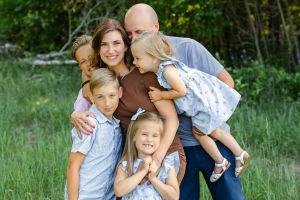
A natural pose not only enhances the subject's appearance but also brings out their personality, ensuring that the photograph feels genuine and relatable. In this article, we will explore how to guide your subject to pose in ways that highlight their best features, creating a connection with the viewer.
1. Create a Comfortable Environment
Before you even start with posing, it's essential to make your subject feel at ease. A relaxed person will naturally convey authenticity in the portrait. Begin by engaging in casual conversation, using humor, or offering them simple instructions. For instance, ask them to imagine something that makes them happy or calm. The more comfortable they are, the more relaxed their body language will be.
2. Focus on Body Angles, Not Just the Face
While the face is the focal point of most portraits, body posture plays an equally important role in creating a compelling image. Guide your subject to slightly angle their body to the side, rather than having them face directly at the camera. This can add depth and dimension to the shot. A small twist of the torso or a slight lean toward the camera can help create a flattering and natural look.
3. Hands and Arms: Keep Them Relaxed
Hands and arms can easily look stiff or awkward in portraits. To avoid this, ensure that your subject's hands are relaxed and placed naturally. For women, hands resting gently on the hips or holding a prop can create a more refined look. For men, letting their arms fall naturally or resting them in pockets can add a casual vibe. Encourage your subject to relax their hands by giving them light prompts, like "Place your hands in your lap" or "Rest one hand loosely on the chair."
4. Guiding the Eyes
The direction of the eyes can dramatically alter the feel of a portrait. Decide on the mood you want to convey: Looking directly at the camera creates a sense of intimacy and engagement, while looking away can evoke a more thoughtful or candid feel. To make the eyes appear more relaxed, ask your subject to focus on something just beside or above the camera. This subtle shift can add depth to the portrait and allow the subject to look more natural.
5. Play with Posture and Movement
Don't be afraid to experiment with posture. A stiff pose can make a portrait feel posed rather than candid. Ask your subject to shift their weight from one foot to another, tilt their head slightly, or even change positions between shots. This subtle movement will add life to the photo and make it appear more spontaneous. Occasionally adjusting the pose throughout the session ensures a variety of shots with a natural feel.
6. Direct, but Let the Subject Breathe
While guiding your subject is key to achieving the perfect portrait, it's important not to over-direct. If you provide too many instructions at once, the portrait can feel forced. Instead, offer gentle prompts, such as "Relax your shoulders" or "Try tilting your head just a little." Leave room for creativity, allowing the subject's natural expressions and body language to come through.
7. Capture Candid Moments
Sometimes, the best portrait is captured in a split second when the subject is unaware. As you work with your subject, try to capture moments when they are interacting with their surroundings or responding to something in the environment. A candid laugh, a natural expression of joy, or a quiet moment of reflection can create a much more engaging portrait than a perfectly posed one.
8. Know Your Subject
Lastly, take the time to understand your subject's personality and style. Are they more introverted or extroverted? Do they prefer more dramatic or soft lighting? The more you connect with your subject, the better your ability to guide them toward a pose that feels true to who they are. For instance, a creative individual may feel more comfortable in a dynamic pose, while someone more reserved may appreciate a more subtle and calm expression.
Conclusion: Make the Portrait Personal
Creating a portrait that feels authentic requires more than just technical skills. It's about building trust with your subject, making them feel comfortable, and allowing their personality to shine through. By mastering the art of posing, you can capture powerful and natural portraits that truly resonate.