The first time you see a Nelumbo nucifera bloom rising from murky water — pristine, luminous, untouched — you understand immediately why humanity has revered this plant for thousands of years.
It doesn't just survive in mud. It transcends it.
What Exactly Is Nelumbo nucifera?
Nelumbo nucifera, commonly known as the sacred lotus, is an aquatic flowering plant belonging to the family Nelumbonaceae. It is one of only two living species in its genus, and it is distinctly ancient — fossil records place its lineage back over 135 million years. Unlike water lilies, which it superficially resembles, the lotus holds its large, circular leaves and magnificent flowers well above the water's surface, sometimes reaching 150 cm in height. Its flowers bloom in shades ranging from pure white to deep rose, typically opening in the morning and closing by afternoon.
The Lotus Effect: Science Behind the Magic
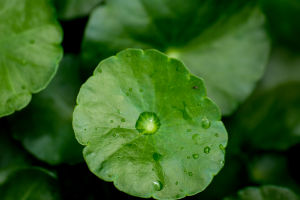
One of the most studied phenomena in botany is the so-called "lotus effect" — the plant's extraordinary ability to remain completely clean despite growing in muddy water. This is not poetic metaphor. It is precise biology. The surface of lotus leaves is covered with microscopic waxy nanostructures that create extreme water repellency. Droplets of water bead up instantly, rolling off and carrying dust particles with them. This self-cleaning mechanism has inspired real-world applications:
1. Waterproof fabrics and technical textiles 2. Self-cleaning architectural coatings and glass 3. Anti-icing surfaces for aerospace engineering 4. Medical device coatings that resist bacterial adhesion
Nature solved in millions of years what engineers are still perfecting today.
Remarkable Thermal Regulation
The lotus possesses another astonishing ability rarely found in the plant kingdom — thermoregulation. During its blooming period, the receptacle of the lotus flower actively generates heat, maintaining temperatures between 30–35°C even when the surrounding air drops significantly lower. Scientists believe this warmth attracts cold-blooded insect pollinators and may enhance fragrance diffusion. This metabolic heat generation, once thought exclusive to animals, makes the sacred lotus a genuine biological marvel.
Longevity That Defies Belief
Lotus seeds are legendarily durable. In a remarkable scientific case, viable lotus seeds recovered from a dry lakebed in northeastern Asia were successfully germinated — and carbon dating confirmed they were approximately 1,300 years old. This extraordinary longevity is attributed to the seeds' near-perfect impermeability and internal antioxidant compounds that protect cellular machinery across centuries. No other flowering plant seed has demonstrated verified viability anywhere near this timescale.
Every Part Serves a Purpose
Beyond its biological wonders, virtually no part of Nelumbo nucifera goes unused in traditional and culinary contexts:
1. Rhizomes — crunchy, starchy, and eaten raw, stir-fried, pickled, or braised 2. Seeds — consumed fresh or dried, used in desserts and herbal preparations 3. Leaves — used to wrap and steam foods, imparting a gentle floral aroma 4. Stamens and petals — dried for herbal teas prized for their calming fragrance 5. Seed pods — dried for decorative arrangements worldwide
The plant is, in the truest sense, a complete organism — generous in every dimension.
A Symbol That Outlasted Empires
Across Egyptian temples, Buddhist monasteries, and ancient Persian gardens, the lotus appears again and again as a universal symbol of purity, rebirth, and enlightenment. Cultures separated by oceans and centuries arrived independently at the same conclusion: something about this flower speaks to the deepest human aspirations.
There is something quietly instructive about Nelumbo nucifera. It does not resist the mud it grows in. It does not pretend the murk doesn't exist. It simply rises through it — clean, warm, alive, and flowering. Perhaps the most honest thing science has confirmed about the lotus is what observers always sensed intuitively: that beauty built on resilience is the most enduring kind of all.