Hurdling in track and field is a dynamic combination of speed, agility, and technique.
Unlike sprinting, it involves jumping over obstacles while maintaining an even pace, which can challenge even seasoned athletes.
The key to excelling in hurdles is mastering the technique to clear each barrier efficiently, without losing momentum. Whether you're a beginner or an experienced hurdler looking to refine your skills, these tips will help you improve your form, timing, and overall performance on the track.
Perfect Your Starting Form
Every race begins with a strong start, and the same goes for hurdling. A proper stance and explosive start can set the tone for your performance.
• Positioning: Stand in your starting blocks with your feet positioned firmly and your body leaning slightly forward. Your hands should be placed on the track in front of you, keeping your body in a stable and poised position.
• Explosive Start: At the sound of the starter signal, push yourself forward with powerful strides. A good start is essential in hurdle races since you'll need to reach the first hurdle with speed and efficiency.
• Use Your Arms: Your arms should swing naturally in rhythm with your legs. Keep your upper body relaxed but engaged to aid in propelling yourself forward.
Approach the Hurdle with Consistency
The key to hurdling is approaching each hurdle with a steady and consistent pace. Too much speed or hesitation can throw off your timing.
• Stride Length: Maintain consistent strides leading up to the hurdle. Ideally, you should take three strides before the first hurdle and adjust accordingly for the remaining hurdles. This consistency helps you keep control and speed through each jump.
• Body Position: As you approach the hurdle, keep your chest up, eyes focused ahead, and body tall. Avoid hunching over or leaning too much, as this will throw off your balance and rhythm.
• Timing: You should time your jump just before your foot hits the ground at the hurdle, ensuring you are not overstepping or reaching too early.
Clearing the Hurdle: Technique is Key
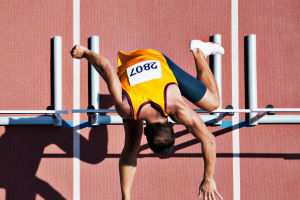
The most critical part of hurdling is clearing the hurdle itself. A clean and efficient jump is necessary for maintaining speed throughout the race.
• Lead Leg: As you approach the hurdle, your lead leg (the leg that is closest to the hurdle) should be lifted and swung over the hurdle. Keep your knee high and close to your body to avoid knocking the hurdle.
• Trail Leg: The trail leg should follow smoothly behind. As your lead leg clears the hurdle, your trail leg should be bent and brought around in a swift motion. Avoid dragging the trail leg or swinging it wildly, as this can slow you down.
• Body Form: Keep your body upright during the jump, with your core engaged and arms moving in sync. Your head and shoulders should be aligned with your legs to ensure a balanced leap.
• Clear Efficiently: The key to clearing each hurdle is lifting your knees high and moving your legs quickly. Once you clear the hurdle, make sure to snap your legs back quickly and re-establish a solid running posture.
Post-Hurdle Technique: Maintaining Speed
Clearing a hurdle isn't enough; you need to regain speed quickly to ensure you finish the race strong.
• Post-Hurdle Stride: Once you've cleared the hurdle, quickly snap your legs back under your body and return to your sprinting form. Avoid stalling after the jump.
• Focus on Rhythm: Maintaining your rhythm after each hurdle is key. Try to return to your consistent stride length and arm movement as soon as you land, making sure to keep your pace steady and your body in alignment.
• Stay Relaxed: While it's tempting to tense up after the hurdle, staying relaxed will help you stay in control of your momentum. A relaxed body can better absorb the impact of landing and quickly propel you forward for the next hurdle.
Improve Your Endurance and Flexibility
Hurdling demands not only speed but also strength and flexibility. Incorporating endurance and flexibility training into your routine can greatly improve your performance.
• Leg Strength: Incorporate exercises like lunges, squats, and plyometrics to improve leg strength and power. Strong legs are essential for maintaining speed and clearing hurdles efficiently.
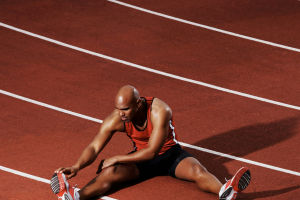
• Flexibility: Stretch regularly to maintain flexibility in your hips, hamstrings, and calves. Flexible muscles help you achieve the necessary height when clearing hurdles and reduce the risk of injury.
• Core Strength: A strong core helps you maintain stability and control throughout the race. Core exercises such as planks and Russian twists are beneficial for strengthening the midsection.
Stay Focused and Mentally Prepared
Mental preparation is just as important as physical technique when it comes to hurdling. The ability to stay focused throughout the race can make the difference between a good performance and a great one.
• Visualize the Race: Before you step onto the track, visualize yourself running smoothly, clearing each hurdle with ease. Mental visualization can help reduce race-day anxiety and improve focus.
• Stay Calm: It's easy to become overwhelmed with the pressure of a race, but staying calm will help you maintain control. Focus on your technique and avoid worrying about the competition.
• Embrace the Challenge: Hurdling is a physically demanding event. Embrace the challenge and use each hurdle as an opportunity to improve your skills and build confidence.
Conclusion: The Path to Hurdling Success
Mastering the art of hurdling requires dedication, practice, and a keen understanding of technique. By focusing on your approach, timing, and form, you can significantly improve your performance on the track. The journey may be challenging, but each hurdle you conquer brings you closer to mastering the race. Remember, consistency is key, and with persistence, you'll clear every hurdle that comes your way with grace and speed.