Outdoor cycling combines adventure, freedom, and fitness. Whether we are commuting through city streets, exploring scenic routes, or taking on mountain trails, having the right gear ensures we ride safely and comfortably.
The difference between a good ride and a frustrating one often comes down to preparation. Let’s break down the essential equipment and practical tips for all types of cyclists.
Essential Safety Gear
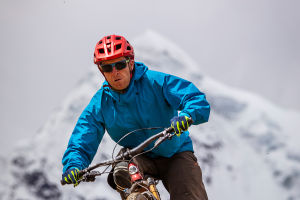
- Helmet: Helmets are the first and most crucial piece of safety gear. We should always choose one that meets international safety certifications, fits snugly, allows airflow, and feels comfortable. Wearing a helmet consistently, even on short trips, can prevent serious head injuries during accidents. It’s also worth adjusting the straps and pads to get the perfect fit.
- Cycling Glasses: Glasses protect our eyes from wind, dust, insects, and harmful UV rays. Different lens tints suit different conditions: dark lenses for bright midday sun, amber or yellow for low-light mornings or evenings. Besides safety, glasses also reduce glare and help us see obstacles clearly.
- Cycling Gloves: Gloves improve grip, reduce hand fatigue, and cushion impacts in case of falls. We should select gloves that are breathable, anti-slip, and have padded areas for shock absorption. For longer rides, gloves also help prevent blisters and keep hands comfortable over rough terrain.
- Lights and Bells: Riding in low-light or rainy conditions requires both front and rear lights. The front light illuminates our path, while the rear light ensures visibility to drivers and other cyclists. A bell is also useful for alerting pedestrians and other riders, helping avoid collisions in crowded areas.
Comfort Gear
- Cycling Clothes: Breathable, moisture-wicking clothing keeps us dry and reduces friction during long rides. Close-fitting designs reduce wind resistance and improve riding efficiency. Reflective strips are a small but essential safety feature, especially during early morning or evening rides.
- Cycling Shorts: Padded cycling shorts protect hips and thighs, reduce pressure, and prevent discomfort over long distances. Stretchy, flexible fabric makes putting them on easier and allows freedom of movement. Even short rides feel more comfortable with well-fitted shorts.
- Cycling Shoes: Shoes connect us directly to the pedals, so choosing the right type is crucial. Flat pedal shoes suit casual rides, while clip-in shoes improve efficiency for off-road or faster rides. Good grip, ventilation, and pedal compatibility all play a role in comfort and performance.
- Cycling Socks: High-stretch, moisture-wicking socks prevent foot swelling, keep feet dry, and reduce fatigue. When choosing socks, consider material, thickness, and breathability to suit the ride duration and weather.
Practical Gear
- Water Bottles and Holders: Staying hydrated is critical. A reliable water bottle and holder allow easy access during rides. Choose a bottle with adequate capacity for your distance and climate, and make sure it seals tightly and cleans easily. For long rides, carrying two bottles is often wise.
- Backpacks or Waist Bags: Backpacks are ideal for carrying essentials like phones, wallets, keys, snacks, extra clothing, or first-aid kits on longer rides. Waist bags are lighter and more convenient for short trips or city commuting. Ventilated straps and adjustable fits add comfort on extended rides.
- Tool Kits: A small tool kit can be a lifesaver during long rides. Tire levers, mini pumps, screwdrivers, and chain tools allow quick fixes on the go, keeping rides smooth and stress-free. Even a single puncture can be handled if we’re prepared.
- Other Accessories: Extra gear can make a big difference in comfort and convenience. Arm and leg sleeves protect from sun or cold. Multi-purpose headbands adjust to changing weather conditions. Sports watches track heart rate and performance, and cycling computers monitor speed, distance, and route. Each accessory adds functionality without clutter.
Choosing What’s Right
Every rider’s needs are different. Short urban commutes require lighter, simpler gear, while long off-road adventures need more specialized equipment. When choosing gear, we should consider ride type, terrain, distance, weather, and budget. Trying equipment before long rides helps us understand what is comfortable and effective. Balancing safety, comfort, and practicality ensures we enjoy every ride to the fullest.
Ride Smart, Have Fun!
Proper gear transforms every ride into a smooth adventure. We get to enjoy nature, stay safe, and remain comfortable from start to finish. Lykkers, next time you hit the road, double-check your gear—it can make the difference between a tiring ride and a truly fun journey. Prepare smart, ride confidently, and make every ride memorable!