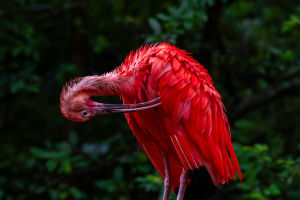
Have you ever stopped to wonder why flamingos are so famously pink? It’s not magic or luck—they actually earn their color through what they eat! These long-legged, elegant birds get their name, “Flamingo,” for a reason.
But their iconic pink feathers aren’t something they are born with—they develop over time thanks to a very specific diet that nature has designed perfectly for them.
From Gray Hatchlings to Pink Grown-Ups
When flamingos hatch, their feathers are gray or pale white. At this stage, they look far from the vibrant birds we recognize. As they grow, their diet gradually introduces colorful pigments. They begin eating algae, tiny shrimp, and other small crustaceans rich in beta-carotene. Enzymes in their digestive system break these pigments down and transport them to the liver, where they are absorbed and eventually deposited in their feathers. Over months and years, this process transforms gray hatchlings into stunning pink birds.
The Role of Diet in Coloration
It’s fun to think humans could experience a similar effect—eating too many carrots might tint our skin slightly orange—but flamingos do it naturally and efficiently. Their bodies are perfectly adapted to convert the pigments in their food into feather color. This makes their diet essentially a natural dye, creating brilliant shades that signal health and vitality. In a way, every pink feather tells a story of what that flamingo has eaten.
Variation Across Species and Regions
Flamingos live in diverse regions around the world, mainly in South America and Africa, and there are four main species. Interestingly, the intensity of their pink color varies depending on the availability and quality of their food. Some populations are known for deep pink feathers, while others lean toward soft orange-red tones. In areas where beta-carotene-rich food is scarce, some flamingos even appear nearly white. This difference shows how diet and environment together influence not just survival, but appearance.
Daily Feeding Habits
We can learn a lot by observing flamingos in the wild. They spend much of their day wading through shallow waters, using their unique beaks to filter algae and shrimp from the mud and water. This feeding routine isn’t just about getting enough food—it’s the process that gradually paints their feathers. Watching them, we can appreciate the patience and effort required to achieve that brilliant pink, reminding us that beauty in nature often comes from dedication and routine.
Regional Food Differences
Different habitats also create slightly different pink shades. In South America, flamingos often feed on red or orange shrimp, which produces a deeper, more vibrant pink. In African lakes, algae-rich waters provide a mix of pigments that result in lighter pink or even salmon-colored feathers. Even within the same species, local food availability can create subtle variations, making each flock uniquely colored. This is why no two flamingo populations look exactly the same—each is a reflection of its environment.
Why It Matters to Us
Understanding flamingos’ feather color is more than just a fun fact. It teaches us about the deep connections between diet, environment, and physical traits in animals. Flamingos are a living example of how what an animal eats can shape its appearance. This also encourages us to think about other species: small dietary changes can create big visible effects. Observing this in flamingos makes us more aware of the intricate balance in nature.
Getting Closer to Flamingos
If we ever visit flamingo habitats or wildlife reserves, knowing this secret makes the experience more fascinating. Watching them filter food from the water, we can see firsthand how diet creates their signature pink glow. Every bite of algae and tiny shrimp contributes to the brilliant color we admire, showing that nature’s process is both delicate and powerful.
Appreciating the Pink Magic
So next time we see a flamingo, let’s remember it’s not just about looking beautiful—it’s about their daily routines, diet, and the natural pigments that give them that iconic pink color. Lykkers, when we take flamingo photos, we can think about the tiny shrimp, colorful algae, and patient effort behind each feather. It’s a perfect reminder that nature’s little wonders are everywhere, often hiding in the smallest details!