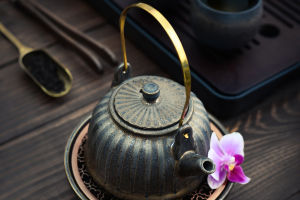
A quiet afternoon often begins with a simple routine: water heating in a kettle, loose leaves measured carefully, and a teacup waiting on the table.
Yet anyone who drinks tea regularly notices something interesting. The same tea can taste slightly different depending on the cup used.
A delicate porcelain cup highlights fragrance, while a thick ceramic mug holds warmth longer. These subtle differences raise a practical question: how do you choose the right teacup for different types of tea?
The answer lies in three key elements—material, size, and shape. Each factor influences how heat is preserved, how aroma gathers near the rim, and how the drinker experiences the tea with every sip.
Teacup Materials and Their Effects
1. Porcelain for delicate aroma
Porcelain teacups are widely used for lighter teas because they are thin, smooth, and non-porous. The material does not absorb flavor, which allows the natural fragrance of the tea to remain clear. Porcelain also transfers heat quickly to the hand, letting the drinker sense the temperature of the tea. For teas with subtle floral or grassy notes, this type of cup allows aroma to rise gently toward the nose with each sip.
2. Ceramic for steady warmth
Ceramic cups are typically thicker than porcelain and retain heat longer. This makes them suitable for teas that are enjoyed slowly, where maintaining temperature matters. A sturdy ceramic cup keeps tea warm during a long conversation or while reading in the afternoon. The heavier feel in the hand also creates a more grounded drinking experience.
3. Glass for visual appreciation
Glass teacups offer a completely different advantage: visibility. Because the walls are transparent, the color of the brewed tea becomes part of the experience. Pale golden infusions, deep amber tones, or light green hues can be observed clearly. Many tea enthusiasts enjoy watching leaves unfurl and drift slowly in hot water, turning the brewing process into a visual moment as well as a sensory one.
The Role of Cup Size
1. Small cups preserve freshness
Smaller teacups encourage shorter drinking cycles. When the cup holds only a modest amount of tea, the beverage is consumed before it cools significantly. This keeps the flavor bright and fresh. Small cups are especially useful when tea is brewed multiple times from the same leaves, allowing each infusion to be tasted separately.
2. Medium cups suit everyday drinking
A medium-sized teacup balances convenience and flavor preservation. It holds enough tea for relaxed sipping without letting the beverage sit too long. Many households use this size for daily tea because it fits comfortably in the hand and works well for a variety of tea styles.
3. Larger cups emphasize comfort
Larger cups create a different atmosphere. They are often chosen for long, quiet moments such as reading near a window or relaxing after dinner. The extra volume means fewer refills, though the tea may gradually cool. For some people, that slower pace becomes part of the enjoyment.
How Shape Influences Flavor and Aroma
1. Wide openings release aroma
Teacups with wider openings allow fragrance to escape more easily. This design spreads the aroma into the air, which enhances the sensory experience before the tea even reaches the lips. Teas known for their fragrant qualities often benefit from this style of cup.
2. Narrow rims concentrate scent
Cups with slightly narrower rims guide rising aroma toward the nose. This creates a more concentrated fragrance when drinking. The effect can make each sip feel more expressive because the aroma and flavor arrive together.
3. Thin rims create smoother sipping
The thickness of the rim also affects how tea enters the mouth. Thin rims allow liquid to flow smoothly and gently, which many tea drinkers find more pleasant. Thicker rims feel sturdier but can slightly change the way tea spreads across the tongue.
Choosing a teacup may seem like a small decision, yet it quietly shapes the entire tea experience. The warmth of the material, the balance of the cup in the hand, and the way aroma gathers near the rim all influence how the drink is perceived.
Next time tea is prepared, try pouring the same brew into two different cups. Notice how the fragrance rises, how the temperature feels, and how the flavor unfolds. Sometimes the difference is subtle, but that subtlety is part of what makes tea such a thoughtful and rewarding ritual.