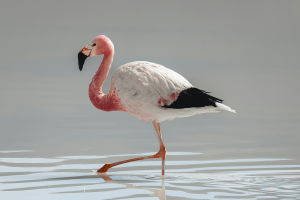
Have you ever stood by a quiet pond or marsh and noticed a white silhouette moving with almost ghostly precision across shallow water?
That poised figure, balancing delicately on long legs, is likely an egret searching for its next meal. Watching them hunt, it's striking how patience and subtle movements can turn the stillness of water into a stage for an extraordinary display of precision.
Egrets are masters of feeding in wetlands, streams, and shallow coastal areas. Their hunting success comes from a combination of specialized anatomy, keen senses, and learned behaviors. Each step, tilt of the head, and flick of the beak is a finely tuned part of a strategy that allows them to capture fish, amphibians, and invertebrates efficiently.
Stealth and Positioning
1. Slow, deliberate movements
Egrets often move in near-imperceptible steps, shifting weight from one leg to the other to avoid disturbing the water. This minimizes ripples that might warn prey. By advancing slowly, they can approach fish or frogs within striking distance without alerting them.
2. Strategic stances
They often pause mid-step, standing perfectly still with their necks extended. This “fishing posture” allows them to survey the water for shadows or movement, calculating the optimal moment to strike. Timing is critical: a premature movement could send potential prey scattering.
3. Utilizing the environment
Egrets hunt in areas with natural cover—reeds, rocks, or shallow mudflats—which provides concealment. By blending with their surroundings, they exploit both camouflage and surprise, increasing their chances of a successful catch.
Specialized Beak Techniques
1. Spearing and stabbing
The egret's long, pointed beak functions like a finely tuned spear. Once a target is spotted, the bird can deliver a rapid, precise jab, often capturing the prey in a single motion. This technique relies on speed, accuracy, and timing.
2. Tactile hunting
In murky water or dense vegetation, egrets may use their beaks to feel for hidden prey, probing mud or shallow water while moving carefully. This sense-based hunting complements visual cues, allowing them to forage effectively even when visibility is low.
3. Multi-method feeding
Egrets often adapt their technique to the prey type. For small fish, quick pecks suffice; for larger or slippery prey, they may scoop or pin with their beak until the catch can be swallowed. Their beaks are versatile tools optimized for a range of prey sizes and behaviors.
Patience and Timing
1. Waiting for the right moment
An egret may remain motionless for several minutes, anticipating movement beneath the surface. This patience minimizes energy expenditure while maximizing hunting efficiency.
2. Exploiting prey behavior
They understand how fish or amphibians react to shadows and vibrations. By adjusting stance or approach, egrets can provoke movements that make prey easier to capture.
3. Learning from experience
Young egrets often observe and imitate adults, gradually mastering the timing and subtle movements that define successful hunting. Experience improves accuracy and reduces wasted effort, showing how learning complements instinct.
Observing an egret in action highlights the remarkable coordination between body, senses, and environment. What appears as effortless grace is the result of evolution, practice, and constant adaptation to the challenges of wetland life.
Next time you encounter an egret at a pond or marsh, take a moment to watch carefully. Notice the patience, precision, and subtle strategies that turn ordinary water into a stage for extraordinary skill. In every motion, the egret demonstrates the quiet power of nature's design and the elegance of survival in the wild.