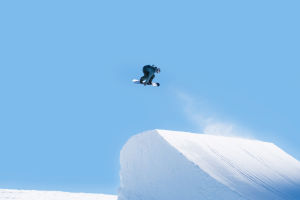
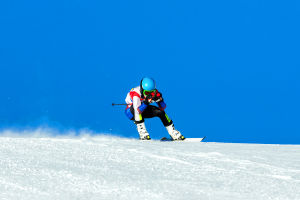
Alpine skiing is a winter sport that lets us slide down snowy mountains with control and speed. It is practiced worldwide and attracts people who love nature and adventure. We stand on skis with fixed heels and move down marked slopes or open mountain areas.
This sport has developed over many years. It is now part of international competitions and global events. Many ski resorts provide safe spaces for us to learn and improve. Let us explore what alpine skiing includes and why so many people enjoy it.
Basic Concept of Alpine Skiing
Alpine skiing means skiing downhill on snow using skis with fixed heel bindings. The fixed heel design gives us better balance and stronger control while moving fast.
We usually ski on prepared slopes inside ski areas. These slopes are shaped and maintained with special machines. Some slopes are gentle for beginners, while others are steep and challenging for advanced skiers.
Unlike flat terrain activities, alpine skiing focuses on downhill movement. Speed and turning skills are key elements. It is both a leisure activity and a competitive sport.
Equipment We Use
To ski safely and smoothly, we need proper equipment. Skis are the main tool. They glide on snow and support body movement. Ski boots connect our feet firmly to the skis. A good fit improves balance and control.
Ski poles help us push forward and maintain stability. Helmets protect our head from possible impact. Goggles shield our eyes from bright light, snow, and wind. Gloves and warm clothing keep our body comfortable in cold conditions.
All equipment works together to improve safety and performance. Proper gear makes skiing more enjoyable and reduces risks.
Where We Ski
Most alpine skiing takes place at ski resorts. These places provide marked slopes, lifts, and safety services. Lifts take us to the top of the mountain so we can start skiing downhill.
Resorts often maintain the snow with grooming machines. When natural snow is not enough, artificial snow systems help create better surface conditions. Safety patrol teams monitor the slopes and assist in emergencies.
Some experienced skiers explore areas beyond the marked trails. This type of activity requires strong skills and careful planning. They often carry special tools and follow safety rules before entering remote snowy areas.
Skills and Training
Learning alpine skiing takes practice. Beginners start with basic balance exercises and slow turns. We learn how to control speed by adjusting body position and ski angle.
Turning techniques are important. Short turns help control speed on steep slopes. Long turns allow smoother movement on wider trails. Proper posture keeps us stable while moving fast.
Training often includes physical strength exercises, balance practice, and endurance building. Professional athletes train for many years to improve precision and reaction speed. Consistent practice helps us gain confidence on snow.
Alpine Skiing in Competitions
Alpine skiing has been part of international winter competitions for many decades. It became an official event in the Winter Olympic Games in 1936. Since then, it has grown into a major competitive sport.
Common race types include slalom, giant slalom, and downhill races. Each type tests different skills. Slalom focuses on quick turns. Downhill emphasizes high speed. Giant slalom combines speed and technical control.
Athletes compete against time. The fastest skier with correct course completion wins. These events attract global audiences and inspire young skiers to improve their skills.
Why We Enjoy Alpine Skiing?
We enjoy alpine skiing because it connects us with mountains and snow. The feeling of sliding down a slope with wind around us creates excitement. It also helps us stay active and improve physical strength.
Many people ski with friends or family. Sharing experiences on snowy mountains strengthens connections and builds happy memories. Ski resorts also provide spaces for relaxation after skiing.
Lykkers, have you ever tried skiing or watched a race? Alpine skiing offers challenge and fun at the same time. With proper preparation and safety awareness, we can enjoy this sport safely and confidently.
Final Thoughts
Alpine skiing is a dynamic winter sport that combines skill, speed, and nature. We use special equipment to move down snowy slopes with control. The sport includes recreational activity and professional competitions.
From beginner lessons to international races, alpine skiing offers opportunities for everyone. By practicing regularly and following safety rules, we can improve our ability and enjoy the beauty of snowy mountains together.