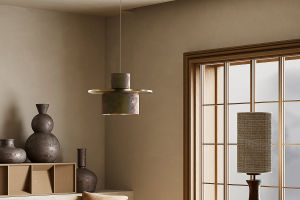
You walk into a room and notice a bouquet sitting on the table. Something feels off—not the flowers, but the vase. It's too small, too plain, or clashes with the surroundings.
Choosing a vase isn't just about holding flowers; it's about complementing your home's style and elevating the overall look.
Consider Your Home Style
Before buying a vase, take a moment to look around your space.
Match the aesthetic: A minimalist room pairs well with clear glass or geometric shapes, while a bohemian space shines with colorful, patterned ceramics.
Proportions matter: A tall vase in a low-profile room can feel overwhelming. Likewise, tiny vases in a large dining area may get lost.
Actionable example: Walk through your living room and note the dominant colors and materials. If your furniture is mostly wood and neutrals, a matte ceramic vase in a soft color can harmonize beautifully.
Choose the Right Material
Vases come in various materials, each creating a different effect.
Glass: Transparent or tinted glass highlights the stems and water, perfect for fresh flowers.
Ceramic: Offers texture and color variety, ideal for a more tactile, artistic touch.
Metal or Stone: Brings a modern or industrial edge to your décor.
Actionable example: If you're displaying a wildflower bouquet, try a textured ceramic vase. The contrast between the smooth ceramic and the irregular flowers adds depth and interest.
Size and Shape Matter
The shape of a vase affects how flowers are arranged and displayed.
Tall and narrow: Supports long-stemmed flowers and creates vertical emphasis.
Wide and short: Best for full, lush bouquets or low arrangements for tables.
Round or irregular: Encourages creative, loose arrangements, adding a casual vibe.
Actionable example: For a mix of roses and greenery, a wide-bottom vase allows the stems to spread naturally, giving a fuller, more balanced look.
Color and Pattern Choices
Color can make your flowers pop or blend seamlessly into your room.
Neutral tones: White, beige, and grey vases won't compete with bright flowers, letting the blooms stand out.
Bold colors: Use sparingly to create a focal point in a neutral room.
Patterns: Stripes, speckles, or hand-painted designs can add personality but should complement, not clash with, your décor.
Actionable example: Place a vibrant blue vase in a neutral hallway and fill it with white tulips. The color contrast draws attention while keeping the display elegant.
Functionality and Maintenance
Practicality is just as important as aesthetics.
Waterproof: Ensure the vase is watertight to protect surfaces from leaks.
Easy to clean: Narrow-necked vases may require brushes to clean inside thoroughly.
Durable: If you have pets or children, consider sturdy materials less prone to breakage.
Actionable example: Use a wide-mouthed glass vase for daily fresh flowers. It's easy to rinse and fill, saving time while keeping your flowers vibrant.
Mixing Vases for Impact
Grouping vases of varying heights, materials, or colors creates visual interest.
Cluster arrangements: Place three vases together on a console or coffee table for an eclectic look.
Complementary flowers: Each vase can hold a single type of flower or mix colors to create a cohesive display.
Actionable example: Combine a tall, clear glass vase with two shorter ceramic vases. Fill each with different flowers but keep a consistent color palette to maintain harmony.
Choosing the right vase transforms more than just the flowers you display; it affects the feel of a room. By considering style, material, size, and functionality, you can pick a vase that complements your home and enhances every bouquet. Next time you bring flowers home, think of the vase as more than a container—it's a design element that brings your whole space together.