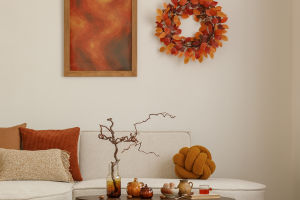
A blank wall can feel cold and uninviting, but the right art instantly brings personality and warmth to a room.
Choosing home décor paintings isn't just about picking what looks nice—it's about creating a space that feels alive and personal.
Here's a guide to help you select pieces that fit your style, space, and lifestyle.
Consider Your Space First
The first step in picking a painting is understanding the room where it will hang. A painting should complement the space without overwhelming it.
Tips for evaluating space:
1. Measure the wall to ensure the artwork fits proportionally.
2. Consider the room's lighting; natural light can change how colors appear.
3. Take note of existing furniture and décor to match the painting's style and color palette.
Practical example: A large abstract canvas works well above a low sofa, while a small painting fits better in a hallway or beside a bookshelf.
Choose a Style That Speaks to You
Your art should resonate personally. Whether it's modern, abstract, impressionist, or minimalist, the style influences the mood of the room.
Tips for selecting a style:
1. Browse galleries or online platforms to see what draws your attention.
2. Don't feel pressured by trends; timeless pieces often have the most impact.
3. Mix styles carefully—one statement piece can stand out, while smaller works complement.
Practical example: A bold, geometric painting adds energy to a modern living room, while a soft watercolor brings calm to a bedroom.
Think About Color and Mood
Colors influence the atmosphere of a space. Bright, warm tones energize a room, while cooler shades bring relaxation.
Tips for color selection:
1. Pull colors from existing décor for a cohesive look.
2. Consider contrast; a dark painting can anchor a light-colored wall.
3. Test with digital mockups or swatches before committing.
Practical example: A blue-toned seascape can make a living area feel peaceful, while a vibrant red abstract adds drama to a neutral space.
Material and Frame Matter
The painting's material and frame affect both its durability and its visual impact. Canvas, paper, and metal prints each create different vibes.
Tips for choosing material:
1. Canvas prints offer texture and a classic feel.
2. Paper or watercolor works suit minimalist or gallery-style spaces.
3. Frames can enhance the painting; sleek metal frames suit modern rooms, while wood adds warmth.
Practical example: A textured oil painting on canvas with a simple black frame becomes a striking focal point above a fireplace.
Size and Placement Are Key
The right size and placement ensure your artwork makes an impact. Avoid too-small paintings on large walls or overly large pieces that dominate small rooms.
Tips for placement:
1. Hang artwork at eye level for the best viewing experience.
2. Consider grouping smaller pieces into a gallery wall.
3. Use furniture as a guide; center the painting above sofas, sideboards, or beds.
Practical example: Three medium-sized prints arranged symmetrically above a console table create a balanced, visually pleasing display.
Selecting the perfect home décor painting is about balancing style, color, scale, and personal taste. By considering the room, your personal connection to the piece, and how it complements your existing décor, you can create a space that feels curated, inviting, and entirely yours. Take your time exploring options and trust your instincts—the right painting will bring life to your home in ways furniture alone cannot.