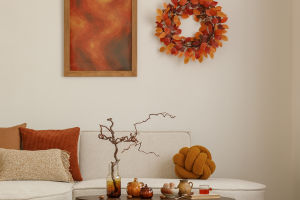
A glance at a freshly painted wall can completely change the mood of a room. The color you choose doesn't just sit on the surface—it interacts with light, furniture, and even your emotions.
Picking the perfect wall color might feel overwhelming, but with a few guiding principles, you can create spaces that feel balanced, welcoming, and personal.
Understanding the Mood You Want
The first step in selecting wall colors is to think about the atmosphere you want to create. Warm tones can feel cozy, while cooler tones often evoke calmness and clarity.
Tips for deciding mood:
Consider the room's function—soft blues and greens work well in bedrooms for relaxation, while vibrant yellows or oranges energize kitchens and offices.
Think about lighting—natural sunlight can make colors appear brighter, while rooms with minimal light benefit from lighter shades to keep them open.
Reflect on personal feelings—if a color makes you happy or calm, it's likely a good choice for your space.
Actionable example: Before painting, place a few paint swatches on the wall and observe them at different times of day. This shows how light affects the color and helps you commit confidently.
Complementing Furniture and Decor
Walls don't exist in isolation—they interact with everything else in your space. Choosing a color that complements your furniture and decor can unify a room.
Tips for coordination:
Pick a color that harmonizes with your main pieces, such as sofas, rugs, or artwork. Neutral walls often highlight bold furniture, while accent walls can showcase a favorite piece.
Use undertones to match—cool grays with blue undertones complement metal or glass elements, while warmer creams pair well with wood.
Consider contrast—light walls with dark furniture create visual depth and make rooms feel larger.
Actionable example: If you have a deep green sofa, try a soft beige or muted taupe wall to allow the furniture to stand out while keeping the room balanced.
Using Accent Walls and Highlights
Accent walls are a way to add personality without overwhelming the room. They can emphasize architectural features or create focal points.
Tips for accent walls:
Pick one wall per room to paint a bold or contrasting color, usually the one facing the entrance or behind a bed.
Coordinate with room elements—an accent wall behind a fireplace or shelving unit can make those features pop.
Don't overdo it—one strong color is often enough to create impact in a minimalist room.
Actionable example: Paint the wall behind a dining table a deep teal, leaving other walls neutral. Add complementary artwork and tableware to tie the space together.
Considering Light and Space
The perception of color changes dramatically with lighting and room size. Understanding these effects is key to avoiding unexpected results.
Tips for light and space:
In smaller rooms, lighter shades make the area feel more open and airy, while darker shades can make a spacious room feel intimate.
Observe how artificial lighting interacts with the paint—LED, warm, and natural lights can alter the appearance.
Test in corners and near windows to ensure consistency throughout the day.
Actionable example: In a north-facing room with limited sunlight, use soft cream or pale peach walls to counteract cooler light and brighten the space.
Balancing Trends and Timeless Choices
Trendy colors can feel exciting, but timeless hues provide flexibility as tastes or decor change over time.
Tips for balance:
Choose a classic base color for the majority of the walls and reserve trendy tones for smaller accent areas.
Avoid overly bright or neon shades that may become tiring; muted or pastel versions can give a modern feel without commitment.
Consider resale or rental potential—neutral and versatile shades usually appeal to more people.
Actionable example: Paint living room walls a soft greige for a neutral backdrop, then add a seasonal or trendy color through cushions, art, or an accent wall.
Choosing the right wall color transforms more than just the room's appearance—it affects mood, perception of space, and how you experience your home daily. By considering mood, furniture, light, and balance between classic and contemporary choices, your walls can become the perfect canvas for a harmonious and inviting interior. Experiment, observe, and let your instincts guide the final selection.