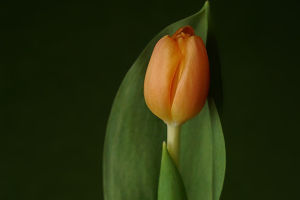
Walking into a space filled with greenery feels refreshing.
Indoor plants don't just brighten a room—they change the energy, purify the air, and even lift your mood.
But styling them effectively requires more than picking a pretty container. The key is matching plants to light, space, and daily habits while creating visually pleasing arrangements. Here's a practical guide to decorating with indoor plants that looks effortless but feels intentional.
Choosing the Right Plants for Your Space
Not all plants thrive everywhere. Light, temperature, and room size all influence what will survive and look vibrant.
1. Low-light areas: Plants like snake plants, pothos, or ZZ plants are perfect for corners or rooms without direct sunlight.
2. Bright spaces: If a room gets plenty of sunlight, fiddle leaf figs, succulents, or monstera can thrive.
3. Small spaces: Compact plants like aloe vera, spider plants, or small ferns fit shelves, desks, or windowsills without feeling crowded.
Actionable example: Assess your room's light sources and pick one plant for a corner that often feels empty. A ZZ plant there adds life without needing constant care.
Mixing Sizes and Heights
Variety in plant height and size creates depth and makes a display feel intentional rather than random.
1. Tall statement plants: Floor-standing plants like rubber trees or palms draw attention and fill vertical space.
2. Medium-height options: Place ferns, peace lilies, or dracaenas on plant stands or tables for layered visual interest.
3. Trailing or small plants: Ivy, string of pearls, or small succulents soften corners and fill shelves naturally.
Actionable example: Use a tall plant on the floor, a medium plant on a side table, and a trailing plant on a shelf above to create a layered, dynamic display.
Color and Texture Coordination
Leaves, stems, and pots all contribute to the visual harmony of your space.
1. Leaf color: Mix dark greens with variegated leaves to avoid monotony. Plants like calathea or variegated pothos bring pattern and interest.
2. Leaf texture: Combine glossy leaves with fuzzy or delicate textures for contrast—think rubber plant with soft fern fronds.
3. Container selection: Neutral pots highlight the plant, while colored or patterned pots add a playful accent.
Actionable example: Place a variegated pothos in a matte white container on a bright windowsill. Its leaves catch the light, adding natural contrast without clashing with furniture.
Creating Focal Points
Plants can become the centerpiece of a room when arranged thoughtfully.
1. Statement corners: Fill an empty corner with a tall plant and a decorative planter to make the area feel curated.
2. Table arrangements: Use medium or small plants grouped on coffee tables or dining tables to anchor the space visually.
3. Wall displays: Floating shelves with trailing plants or hanging planters draw eyes upward and expand the feeling of space.
Actionable example: Use a single large monstera on the floor beside your sofa. Its bold leaves immediately make the corner a focal point without overwhelming the room.
Easy Maintenance Strategies
Beautiful plants need consistent care, but it doesn't have to be complicated.
1. Watering schedule: Group plants with similar water needs together to simplify care routines.
2. Rotate plants: Turn them occasionally so all sides receive sunlight evenly.
3. Monitor health: Remove yellowing leaves promptly and check for pests weekly to prevent problems from spreading.
Actionable example: Set a weekly reminder to check water levels and rotate plants. Even a five-minute routine keeps your indoor garden thriving.
Seasonal and Personal Touches
Changing up plants according to season or adding small decorative elements keeps your space feeling fresh.
1. Seasonal swaps: Add flowering plants like kalanchoe in spring or poinsettias in winter for seasonal interest.
2. Decorative accents: Combine plants with pebbles, figurines, or small lanterns for a unique, personal display.
3. Experiment with groupings: Rearrange plants periodically to see which combinations feel most harmonious in your home.
Actionable example: Place small succulents in a row along a windowsill and add a few decorative stones. Switch the arrangement every few months to keep the display engaging.
Indoor plant decoration isn't just about filling empty space—it's about creating energy, color, and life in your home. By choosing the right plants, arranging them thoughtfully, and maintaining them consistently, you turn ordinary rooms into vibrant, inviting spaces. Each plant becomes a small statement of care and style, making your living environment feel alive, refreshed, and uniquely yours.