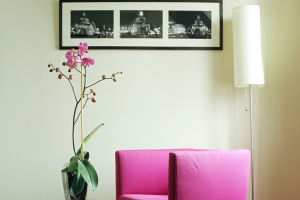
There's something magical about walking into a room and seeing a bouquet that feels alive, as if it's telling a story.
Flower arrangement isn't just about placing stems in a vase—it's an art form that balances color, texture, and space. Every arrangement, whether simple or elaborate, has the power to uplift a room and spark emotion.
Understanding the principles behind it can help anyone create floral displays that look intentional, vibrant, and full of life.
Choosing the Right Flowers
Not all blooms behave the same way in an arrangement. Some are stiff and structural, while others are delicate and flowing. The first step is selecting flowers that work well together in shape, size, and longevity.
Tips for selection:
- Balance bloom types: Pair sturdy flowers like sunflowers or lilies with softer blooms such as roses or ranunculus.
- Consider color harmony: Use complementary colors for contrast or analogous colors for a calming effect. For example, pairing soft pinks with deep reds creates a romantic vibe.
- Check lifespan: Some flowers wilt faster than others. Mix long-lasting blooms like carnations with short-lived blossoms for a bouquet that lasts.
Actionable example: For a cheerful centerpiece, combine bright yellow daisies, pale pink roses, and white lisianthus in a medium-height vase. The colors pop while textures vary.
Understanding Structure and Shape
A great arrangement is about more than just flowers—it's about how they occupy space. Structure gives the arrangement its flow and keeps it visually appealing from every angle.
Key points:
- Height variation: Place taller flowers in the center or back of the arrangement and shorter blooms toward the edges to create depth.
- Focal points: Choose one or two standout flowers as the eye's anchor, then fill around them with supporting stems.
- Symmetry vs. asymmetry: Symmetrical arrangements feel formal, while asymmetrical ones offer a natural, organic look.
Actionable example: In an asymmetrical arrangement, let a few branches of eucalyptus sweep to one side while clusters of roses and tulips fill the opposite side for balance.
Vase and Container Selection
The container plays a silent but crucial role in flower arrangements. Its shape, size, and material influence the overall aesthetic and stability of the display.
Considerations:
- Height and width: Tall vases support long stems, while wide bowls are perfect for low, sprawling arrangements.
- Material choice: Glass provides a modern, clean look, ceramic adds a classic touch, and metal can feel industrial or rustic.
- Color coordination: A neutral vase allows flower colors to shine, while a vibrant container can create a bold statement.
Actionable example: For a casual dining table centerpiece, a shallow white ceramic bowl works well with a mix of short-stemmed daisies and greenery.
Layering and Textures
Texture adds depth and interest, keeping arrangements from looking flat. Combining different textures—from spiky foliage to soft petals—creates a visually dynamic bouquet.
Techniques:
- Mix foliage and flowers: Use leafy greens like ferns or eucalyptus to provide a backdrop and accentuate colorful blooms.
- Vary bloom density: Cluster some flowers tightly while letting others float loosely for a natural feel.
- Play with petals and stems: Incorporate flowers with rounded petals, spiky blooms, and trailing vines for contrast.
Actionable example: Combine tulips, thistles, and trailing ivy in a tall vase to create a bouquet that draws the eye upward and outward.
Maintenance and Longevity
Even the most beautiful arrangement can wilt quickly without proper care. Maintaining flowers ensures they stay fresh and vibrant longer.
Tips:
- Clean water: Change water every 1–2 days to prevent bacterial growth.
- Trim stems: Cut stems at an angle every couple of days to improve water absorption.
- Avoid heat and drafts: Keep arrangements out of direct sunlight and away from heating vents to prevent premature wilting.
Actionable example: For a weekend party, refresh a bouquet each morning by trimming stems and adding fresh water, keeping blooms lively through multiple days.
Flower arranging is a blend of creativity, observation, and care. Each decision—from flower choice to container, from texture layering to maintenance—contributes to a display that feels intentional and alive. By practicing these techniques, anyone can transform simple blooms into works of art that enhance spaces and spark joy, making every room feel a little more vibrant and welcoming.