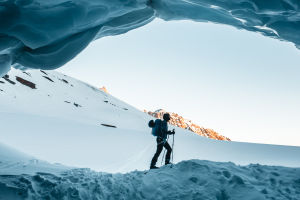
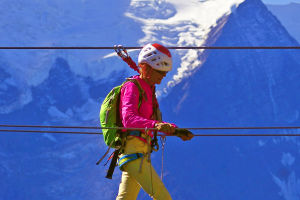
The wind brushes against your face as you clip into a steel cable and step onto a narrow ledge. Below, sheer rock plunges toward the valley floor, and above, the trail disappears along a jagged ridge.
Via Ferrata, meaning “iron path,” turns climbing into a thrilling mix of adventure, safety, and vertical exploration.
Unlike traditional rock climbing, the route is secured with cables, ladders, and bridges, giving anyone with courage and preparation the chance to traverse cliffs that would otherwise seem impossible.
Understanding Via Ferrata
What it is
Via Ferrata routes consist of steel cables anchored into rock, metal rungs, ladders, and suspension bridges. Climbers attach themselves to these anchors with a harness and lanyard, allowing upward, sideways, or exposed movements with reduced risk. For instance, a beginner-friendly route might be 300 meters long with gentle inclines, while expert routes feature vertical walls and hanging bridges.
The difference from rock climbing
Unlike traditional climbing, Via Ferrata doesn't require placing your own protection or extensive climbing experience. The cable system ensures safety, letting climbers focus on balance, grip, and movement. Practicing on indoor climbing walls with a harness first helps build confidence before tackling an actual iron path.
Skill and fitness
Upper-body strength, endurance, and balance are all tested. Core stability supports movement along narrow ledges, and strong legs reduce arm fatigue. Training with pull-ups, lunges, and balance exercises prepares the body for long, exposed routes.
Essential gear for safety
Helmet and harness
Protective headgear shields against falling rocks or bumps, while a properly fitted climbing harness supports the body on cables and ladders. Always double-check buckles and straps before beginning a climb.
Via Ferrata lanyard set
A lanyard with energy-absorbing components connects your harness to the steel cable. This absorbs impact in case of a fall, keeping the experience safe even on steep or vertical sections.
Gloves and appropriate shoes
Gloves prevent blisters and improve grip on metal rungs, while sturdy shoes with good traction protect feet and enhance stability. Shoes should have a firm sole but flexible enough to feel footholds.
Techniques for navigating routes
Clip and move
Always keep at least one carabiner attached to the cable. Move steadily, alternating hands and feet, avoiding sudden jerks that strain muscles. On ladders, use your legs to push upward rather than pulling entirely with your arms.
Balance and posture
Keep your body close to the rock for stability. Leaning too far out increases effort and risk. Focus on smooth weight shifts, testing each foothold before committing.
Rest strategically
Look for natural ledges or wider steps to pause and breathe. A short break every 10–15 meters helps prevent fatigue on longer routes. Practice deep, controlled breaths to stay calm on exposed sections.
Training tips for Via Ferrata
Strength and endurance routines
Combine push-ups, pull-ups, squats, and core exercises into a circuit to build muscles used on the route. For example, perform 15 push-ups, 10 pull-ups, 20 squats, and a 30-second plank, repeating three times per session.
Grip and forearm conditioning
Hang from bars, use grip trainers, or practice climbing short ladders to strengthen hands and forearms. This reduces fatigue during longer, exposed climbs.
Exposure practice
Start on low, easy routes or indoor iron paths. Gradually increase height and difficulty to build mental comfort with vertical exposure and narrow ledges.
Enjoying the experience fully
Plan routes carefully
Check route length, difficulty, and weather conditions. Avoid climbing in wet or stormy weather as wet metal and slippery rocks increase risk.
Climb with partners
Traveling with a buddy or group enhances safety and provides support. Partners can offer guidance on tricky sections or help monitor each other's clip-in points.
Pause to take in the view
Via Ferrata isn't just about adrenaline—it's about perspective. Step onto ledges or bridges to enjoy sweeping vistas and capture photos while fully secured.
Via Ferrata combines the thrill of climbing with the reassurance of safety. It's a challenge that tests strength, balance, and courage while offering unparalleled views and a unique sense of achievement. Each route conquered leaves a lasting memory of both daring and control.
The next time you see a steel cable running along a cliff, it's more than metal—it's a gateway to adventure, inviting you to push limits, appreciate heights, and embrace the thrill of vertical exploration.