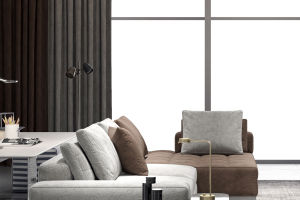
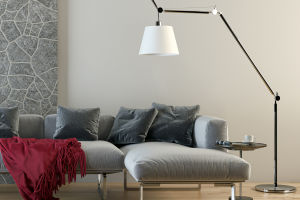
Walking into a cramped living room can feel suffocating, even if the space isn't that small.
Fortunately, with a few smart design choices, you can make any living room feel larger and more inviting. It's all about light, layout, color, and visual tricks that create a sense of openness.
Small changes can completely transform how spacious your room feels without knocking down walls.
Maximize Natural Light
Natural light instantly opens up a room, making it feel bright and airy. The more sunlight that enters, the bigger your living room will feel.
1. Choose sheer curtains – Light, translucent fabrics allow sunlight to flow in while maintaining privacy.
2. Keep windows unobstructed – Avoid bulky furniture in front of windows. Even a small chair can block light if placed incorrectly.
3. Use reflective surfaces – Mirrors, glossy tables, or metallic décor bounce light around, amplifying brightness.
Actionable example: Place a large mirror opposite your main window. This can double the perceived light in the room and visually expand the space.
Opt for Light Colors
Colors influence how our eyes perceive space. Light, neutral shades create an open, expansive feeling, while dark tones can make a room feel confined.
1. Wall colors – Soft whites, creams, pale grays, or muted pastels reflect light and open up the room.
2. Flooring – Light wood, laminate, or neutral carpets help maintain a spacious appearance.
3. Accent pieces – Keep furniture and décor in complementary soft shades to avoid visual clutter.
Example: Paint walls a soft off-white and pair with a light beige sofa. Add a pale rug and minimal décor to maintain a cohesive, open feel.
Furniture Selection and Layout
The way furniture is arranged can either cramp a room or make it feel free-flowing. Prioritize pieces that fit your space and allow movement.
1. Choose appropriately sized furniture – Avoid oversized sofas or bulky cabinets that dominate the room.
2. Multi-functional pieces – Ottomans with storage, nesting tables, or slimline shelves save space while adding function.
3. Maintain clear pathways – Leave open spaces for walking to create a sense of depth.
Pro tip: Float furniture away from walls instead of pushing everything against them. Even a few inches can make the room feel more spacious.
Use Vertical Space
When floor space is limited, look up. Vertical design elements draw the eye upward, creating the illusion of height.
1. Tall shelves or bookcases – Vertical storage maximizes capacity without cluttering the floor.
2. Wall-mounted lighting – Sconces save floor space and enhance the perception of height.
3. Long curtains – Hanging curtains from ceiling to floor emphasizes the room's vertical dimensions.
Example: Install a slim, floor-to-ceiling bookshelf along one wall. It draws the eye upward while providing practical storage.
Incorporate Mirrors and Reflective Surfaces
Mirrors aren't just decorative—they trick the eye into perceiving more space.
1. Large wall mirrors – Positioning a mirror near natural light sources doubles the brightness.
2. Mirrored furniture – Tables or cabinets with reflective surfaces subtly expand the room.
3. Glossy finishes – Paint or flooring with a slight sheen can reflect light and reduce visual heaviness.
Actionable tip: Use a large, framed mirror above the sofa or behind a console table to instantly make the living room feel bigger.
Keep Décor Minimal and Organized
Clutter makes a room feel crowded, while clean lines and thoughtful placement create openness.
1. Limit accessories – Choose a few meaningful pieces rather than many small items.
2. Hidden storage – Use baskets, drawers, or ottomans to store items out of sight.
3. Open shelving – Display only essential or decorative items to maintain a light, airy feel.
Example: Keep a single decorative tray on the coffee table instead of multiple coasters, books, and figurines. It keeps surfaces clear and the room feeling spacious.
Small changes in light, color, furniture, and décor can dramatically alter the perception of your living room. By maximizing natural light, using soft colors, carefully selecting furniture, and employing vertical and reflective elements, you can make even a modest space feel open, airy, and welcoming. A thoughtfully designed room not only feels bigger but also becomes a more enjoyable place to relax, entertain, and live in every day.