You've probably stood in front of buckets of fresh flowers, holding one bunch and wondering why it doesn't quite work with the rest.
Each stem looks great on its own, yet together they feel off. This is the moment most people give up and grab a pre-made bouquet.
The truth is, choosing flowers that always look good together isn't about talent. It's about a few reliable principles that remove the guesswork and make arranging feel intuitive.
Start with one clear role for each flower
Structure, Support, Detail
Every successful arrangement follows a quiet structure. Flowers work best when each one has a purpose instead of competing for attention.
1. Choose one main flower to act as the focal point. This is usually the largest bloom or the one with the strongest shape.
2. Add supporting flowers that echo the color or form of the main flower without overpowering it.
3. Finish with smaller detail flowers to fill gaps and soften transitions.
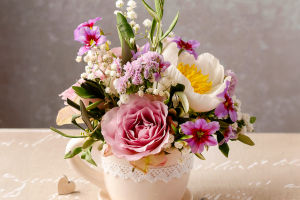
Actionable example: Pair one bold bloom like a large rose with medium fillers such as spray blooms, then add tiny accent flowers for texture. Limiting each role keeps the arrangement balanced.
Use color families instead of random shades
Harmony, Calm, Flow
Color clashes happen when shades don't relate to each other. Staying within a color family creates instant harmony.
1. Pick one main color and choose two nearby shades on the color spectrum.
2. Add a neutral tone like white, cream, or soft green to give the eyes a break.
3. Avoid mixing warm and cool tones unless one clearly dominates.
Actionable example: If you start with soft pink flowers, add dusty rose and pale peach, then anchor everything with greenery. This approach works even when flower types change.
Match flower shapes, not just colors
Balance, Rhythm, Movement
Shape matters just as much as color. When all flowers have similar shapes, the arrangement can feel flat.
1. Combine round blooms with spiky or linear elements for contrast.
2. Use airy flowers to break up dense clusters.
3. Repeat shapes in small amounts to keep visual rhythm.
Actionable example: Mix round flowers with slender stems that extend slightly beyond the main shape. This creates movement without making the arrangement messy.
Limit yourself to three flower types
Clarity, Confidence, Simplicity
More flowers don't always mean better results. Limiting variety makes decisions easier and outcomes stronger.
1. Choose one focal flower, one filler, and one accent.
2. Repeat each type throughout the arrangement instead of grouping them.
3. Let greenery count as a separate supporting element.
Actionable example: Build an entire arrangement using just three flower types and greenery. You'll notice it looks intentional rather than crowded.
Pay attention to stem length and posture
Proportion, Stability, Ease
Even perfect flower combinations fail when stems are mismatched in length or posture.
1. Trim stems at different lengths to create depth.
2. Place stronger stems first to form a base.
3. Let softer stems lean naturally instead of forcing them upright.
Actionable example: Cut focal flowers slightly taller than the rest, then layer supporting flowers just below. This creates a gentle slope that feels natural.
Let greenery guide your choices
Connection, Texture, Breathing room
Greenery isn't just filler. It's the element that ties everything together.
1. Choose one type of greenery to keep the look consistent.
2. Use it early to define the shape of the arrangement.
3. Leave small gaps so flowers don't feel squeezed.
Actionable example: Start with greenery before adding flowers. Once the frame is set, flower placement becomes much easier.
Trust repetition over variety
Unity, Calmness, Polish
Repetition is what makes an arrangement feel finished. Random variety creates visual noise.
1. Repeat colors and shapes across different areas.
2. Avoid placing all similar flowers in one spot.
3. Step back often and adjust for balance.
Actionable example: If you use a certain flower once, use it at least two more times elsewhere in the arrangement. This creates visual connection.
Choosing flowers that always look good together isn't about memorizing rules. It's about noticing how colors relate, how shapes interact, and how repetition creates calm. The more you practice with fewer elements, the more confident your choices become. Next time you're picking flowers, slow down, choose with intention, and enjoy how easily everything falls into place.