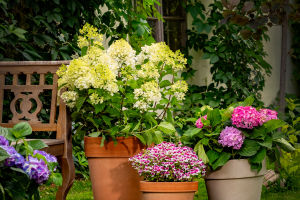
The first hint of spring often comes not from the temperature but from a flash of color in a garden or market.
Tulips and daffodils pop up, promising a season of life and movement.
Each season brings its own flowers, and each flower carries a personality you can play with. Using seasonal blooms creatively doesn't mean complicated techniques—it's about noticing what's available, working with it, and letting their natural beauty shine.
Know what's in season
Timing, Variety, Availability
Understanding which flowers bloom when makes arranging simpler and more cost-effective.
1. Spring offers tulips, daffodils, hyacinths, and crocus.
2. Summer brings sunflowers, lilies, hydrangeas, and dahlias.
3. Fall highlights chrysanthemums, asters, and marigolds, while winter favors amaryllis, hellebores, and camellias.
Actionable example: Visit a local farmers' market at the start of each season. Take note of which flowers are plentiful and affordable. This helps plan arrangements without guessing.
Pick flowers with contrasting shapes
Interest, Texture, Balance
Mixing different shapes makes even a small seasonal bunch look dynamic.
1. Combine tall, spiky flowers with round or bushy blooms.
2. Add delicate filler flowers for softness.
3. Use a few broad-leaf greens to frame the arrangement.
Actionable example: In summer, pair tall sunflowers with rounded hydrangea heads and a few trailing vines. This creates height, depth, and movement in a single container.
Play with color combinations
Harmony, Contrast, Mood
Seasonal flowers often come in a palette that already works together, but mixing tones creatively can elevate an arrangement.
1. Use analogous colors—colors next to each other on the color wheel—for a calming effect.
2. Use complementary colors—opposites on the color wheel—for energy and impact.
3. Consider soft neutrals as a base to make bright flowers pop.
Actionable example: Pair autumn orange marigolds with deep red chrysanthemums and a touch of pale yellow filler. The combination feels lively but balanced.
Choose containers that enhance the season
Context, Character, Practicality
The right container makes a seasonal arrangement feel intentional.
1. Spring arrangements look fresh in glass or pastel-colored jars.
2. Summer blooms shine in rustic baskets or ceramic pitchers.
3. Fall flowers feel cozy in wooden boxes or copper vessels, and winter flowers suit clear glass with decorative stones.
Actionable example: Place a winter hellebore bunch in a small clear vase with white pebbles to mimic snow. It creates a simple, seasonal accent without extra work.
Use repetition to create rhythm
Unity, Flow, Visual appeal
Repeating colors or shapes guides the eye and makes arrangements feel cohesive.
1. Place the same flower type in three or more spots around the container.
2. Repeat a color with different flowers to unify the design.
3. Avoid over-clustering; spacing matters for natural movement.
Actionable example: In spring, repeat a tulip color across a small vase with hyacinths of a similar tone. This draws attention naturally without looking forced.
Incorporate seasonal textures
Depth, Interest, Seasonal feel
Flowers aren't the only seasonal element. Foliage, berries, and stems can add personality.
1. Use grasses or ferns in summer for lightness.
2. Add dried wheat or seed pods in fall for texture.
3. Pinecones or evergreen sprigs add depth to winter arrangements.
Actionable example: Place a few small pine branches among your winter amaryllis flowers. The contrast between soft petals and rough greenery makes the arrangement feel richer.
Adjust for scale and space
Proportion, Suitability, Impact
Think about where the arrangement will sit and how large it should be.
1. Tall seasonal blooms like sunflowers need a taller vase or a pedestal.
2. Low tables benefit from compact clusters of rounded flowers.
3. Wide containers suit sprawling arrangements with multiple textures.
Actionable example: Use a shallow bowl for spring crocus clusters. Their small size and low height make them perfect for a coffee table centerpiece.
Refresh and rotate flowers regularly
Longevity, Vitality, Ease
Even seasonal flowers need care to stay vibrant and attractive.
1. Remove fading blooms as soon as possible.
2. Change water every two days and trim stems slightly.
3. Rearrange remaining flowers for continuous impact.
Actionable example: After a few days, take out drooping summer lilies, rotate sunflowers, and add a few new filler stems. The arrangement stays lively longer.
Seasonal flowers aren't just a reflection of the calendar—they're invitations to experiment. Each season brings new shapes, colors, and textures, and working with what's available allows creativity to flourish naturally. The more you notice and play with these blooms, the more effortless your arrangements will feel, bringing life and personality to your home all year long.