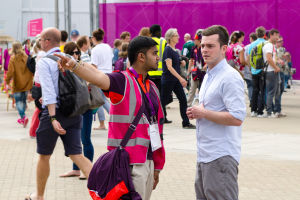
It's 6:35 PM in downtown Amsterdam. A small group gathers outside a coffee shop, swapping smiles and tying shoelaces. No one's wearing a race bib. There's no stopwatch. Some haven't run in weeks. But when the group leader gives a nod, they set off—talking, laughing, jogging side by side through the city's quieter streets.
This isn't training for a marathon. It's something softer, slower, and far more human: a midweek running club that's more about community than competition. From Berlin to Seoul to San Francisco, urban run clubs have taken off—not as elite athlete training groups, but as low-pressure, open-invite meetups that offer an escape from the isolating rhythm of office life.
Why group runs feel better than solo gym sessions?
You'd think that after a 9-to-6 workday, most people would prefer a quiet evening or a quick gym session. But more and more young professionals are showing up—on purpose—to run with strangers.
So, why are these low-key jogs drawing in people who never considered themselves "runners"?
1. You don't have to be fast
Most modern running clubs make one thing clear from the start: this isn't a race. No one's left behind. Some groups even have multiple pace leaders to make sure everyone feels included. That removes the pressure many feel at traditional gyms or fitness classes.
2. It's free and flexible
There's no subscription. No contract. You just show up. Most clubs run weekly (some twice a week), and missing a session doesn't come with guilt.
3. Conversation comes naturally
Unlike loud gyms with earbuds and mirrors, running side by side creates an easy rhythm for chatting. You're moving, but not straining. And because it's not formal networking, conversations feel genuine.
4. There's a ritual to it
Over time, that same café meetup spot, the same route, the same faces—it builds comfort and routine. For people living far from family or struggling with post-work loneliness, it becomes something to look forward to.
How social running became global?
The rise of casual running clubs isn't a local trend—it's happening in cities around the world.
In Tokyo, some run groups meet at 7 PM sharp, leave backpacks at a partner studio, and end the loop with group stretches and vending machine drinks. In Paris, a club called Je Cours Donc Je Suis ("I run, therefore I am") meets near the Seine every Tuesday night. In New York, Bridge Runners mixes art, community, and jogs across the East River bridges.
What these clubs share is a shift in values. It's not about heart rate zones or mileage. It's about movement, connection, and presence.
And maybe that's exactly what modern workers need—especially those in their 20s and 30s, stuck behind screens and starved for real-world interaction.
Want to join a running club? Start here
Feeling curious but unsure if you belong? Don't worry. Most first-timers feel that way. Here's how to dip your toe into the run-club world:
1. Search for a local club that welcomes all paces
Look for clubs that highlight words like "social," "inclusive," or "beginner-friendly." You don't want to accidentally join a competitive track team.
2. Try once—don't overcommit
Treat your first run like a coffee meetup, not a fitness test. You're not there to prove anything.
3. Bring nothing but water and curiosity
Most clubs keep routes short (3–6 km), so no fancy gear needed. Just wear something comfy and weather-appropriate.
4. Stay after the run if you can
This is where the magic happens. Whether it's a park bench cool-down or a casual drink nearby, the post-run hangout is where people connect.
It's not about the miles
For a long time, running was sold as a solo sport—something done at sunrise, with goals, apps, and heart monitors. But the new generation of urban runners is quietly rewriting that narrative.
Now, running is something you do with others, not against them.
There's no leaderboard, no coach yelling splits, no one pushing protein shakes. Just movement, shared space, and the small joy of finding your rhythm beside someone else.
And maybe, in a world that moves too fast and connects too little, that's the kind of race worth not winning.