Feathers are one of the most fascinating and essential features of birds.
Not only do they make birds look striking and unique, but they also serve critical functions that help them thrive in their environments.
From flight to temperature regulation, feathers play a role in almost every aspect of a bird's life. Let's explore how feathers serve these crucial purposes.
Insulation: Keeping Birds Warm
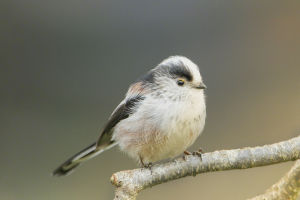
Feathers are nature's built-in insulation system for birds. They trap air close to the bird's body, forming a layer of warmth that keeps them comfortable in various weather conditions. This is especially important in colder climates, where birds rely on their feathers to stay warm.
Feathers are made up of barbs and barbules that interlock, creating a dense, protective layer. This structure helps birds maintain their body temperature, even in freezing conditions. For example, puffing up feathers in cold weather increases the insulation by creating air pockets, much like how winter coats help humans stay warm.
Flight: The Power of Lift
When most people think of feathers, they immediately associate them with flight. This is true for many species, as feathers are crucial to a bird's ability to take flight. The long, stiff feathers on the wings provide the lift and power necessary for flying, while the feathers on the tail help with stability and maneuverability.
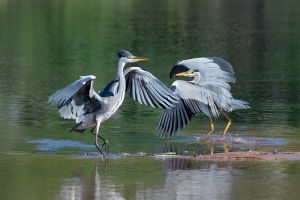
Feathers help birds generate lift by changing their shape during flight. When a bird flaps its wings, the feathers can adjust their position to either increase or decrease the surface area, allowing the bird to catch the air and stay aloft. The tail feathers, often spread out like a fan, help the bird steer and brake during flight.
Communication and Display
Feathers aren't just for practical purposes—many birds also use their feathers for communication and attracting mates. Birds like peacocks and grouse are known for their elaborate feather displays. These displays serve as visual signals to other birds, often signaling health, strength, or attractiveness to potential mates.
In species like the flamboyant Mandarin duck, males will display their colorful feathers to impress females. The brighter and more symmetrical the feathers, the more likely they are to attract attention, which plays a role in the bird's reproductive success.
Protection: Shielding from the Elements
Feathers also protect birds from the elements. They form a waterproof barrier, which is especially important for birds that live in wet environments. Many birds, such as ducks and puffins, have a special oil-producing gland near the base of their tail that coats their feathers and prevents water from soaking through.
This waterproofing is critical for birds living in aquatic environments, as it allows them to swim, dive, and hunt for food without getting weighed down by waterlogged feathers. Without this waterproof coating, birds would struggle to maintain buoyancy and insulation in wet conditions.
Camouflage: Staying Hidden
Feathers are also essential for camouflage, allowing birds to blend into their surroundings and avoid predators. The patterns and colors of feathers can help birds stay hidden in dense foliage, rocky terrain, or even snowy environments. Many birds, such as owls and woodcocks, have feathers that match their habitats, providing them with an excellent defense against predators.
For example, the brown feathers of a nightjar help it blend into the forest floor, where it spends most of its time. This camouflaging ability is especially important for ground-dwelling birds, which rely on staying out of sight to avoid becoming prey.
Molt: Feather Renewal
Birds go through a process called molt, where they shed and regrow feathers. This is an essential part of their life cycle, as it ensures that they maintain a healthy set of feathers that perform optimally. Molt can happen once or twice a year, depending on the species.
During molt, birds will replace old or damaged feathers with new ones. This process helps them maintain their ability to fly, regulate their body temperature, and perform all the other functions that feathers support. Some birds, like ducks and penguins, may molt all at once, while others may replace feathers gradually to ensure they can continue functioning effectively.
Ultimately, feathers are far more than a beautiful display; they are a masterpiece of biological engineering that allows birds to conquer the skies and survive the elements. From the warmth of insulation to the precision of flight, every detail serves a vital purpose in a bird's daily survival.
By understanding these functions, we gain a deeper appreciation for the silent, complex work happening in every wingbeat. Next time you see a bird glide by, remember the incredible journey its feathers make possible.