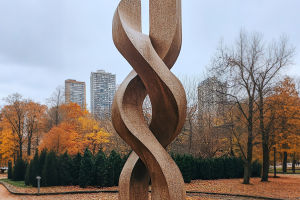
From Stone to Innovation
Walk into a museum and glance at the sculptures—you might see marble figures with flowing robes, bronze statues that gleam under the light, or steel abstractions stretching toward the ceiling.
Traditional materials like stone, bronze, and iron have dominated the world of sculpture for centuries, largely because of their durability and timeless appeal. Yet, as artists sought to explore new forms, textures, and expressions, they began experimenting beyond the familiar. The shift from classic materials to modern alternatives represents not just a technical change, but a revolution in how sculptures can exist and interact with their environment.
The Appeal of Modern Materials
1. Glass
Glass offers transparency, fragility, and light manipulation in ways stone and metal cannot. Sculptors can use it to play with reflections, shadows, and illumination, creating works that change depending on the viewer's perspective and lighting conditions. For example, a glass installation in a sunlit room might project complex patterns on the walls, turning a static piece into an evolving experience.
2. Plastic and Synthetic Materials
Plastic has opened the door for bold colors, lightweight construction, and flexible forms. Unlike heavy metals or stone, plastic allows for larger-scale works without requiring massive structural support. This flexibility encourages experimentation, letting artists twist, bend, and layer materials in ways that were once impossible. Beyond practicality, the material can evoke cultural commentary on consumerism, industrialization, and environmental issues.
Technology Meets Sculpture
1. 3D Printing
One of the most exciting developments in modern sculpture is 3D printing. This technology allows artists to create intricate, precise designs that would be difficult—or impossible—to produce by hand. Complex geometries, interlocking structures, and delicate lattice forms can now exist as tangible sculptures. 3D printing not only expands technical possibilities but also transforms the creative process itself, blending digital design with physical artistry.
2. Mixed Media and Hybrids
Many contemporary sculptors now combine multiple materials in a single piece. Imagine a sculpture with a steel frame, glass panels, and resin accents. Each component brings unique properties—strength, transparency, or color—and together they create a richer visual and tactile experience. The fusion of materials encourages artists to rethink the traditional boundaries of sculpture, blurring the line between craft, design, and fine art.
Environmental and Interactive Considerations
1. Lightweight Materials for Public Art
Modern materials have also made it easier to create large-scale public sculptures. Lightweight metals, reinforced plastics, and composites allow massive installations in parks, plazas, and city streets without the logistical challenges of transporting heavy stone or bronze. These materials make art more accessible, giving communities new opportunities to engage with sculpture in daily life.
2. Interactivity and Sensor Integration
Some modern sculptures incorporate technology, such as sensors or LEDs, enhancing interaction. A sculpture might change color, move, or react to the presence of viewers. These innovations are often only possible with flexible, lightweight, or digitally fabricated materials. The result is art that not only exists in space but actively engages its audience, creating immersive experiences that traditional materials alone could not achieve.
Challenges and Considerations
While modern materials bring endless possibilities, they also pose new challenges. Fragile plastics and glass can be vulnerable to damage over time, and 3D-printed pieces may require careful maintenance to prevent warping or degradation. Environmental considerations are also critical, as many synthetic materials have ecological impacts. Artists must balance creativity with sustainability, thinking carefully about the longevity and footprint of their work.
The Artistic Impact
The shift from traditional to modern materials isn't just technical—it reshapes how artists conceive their work. Freed from the constraints of weight, cost, or structural limitations, artists can explore more abstract, delicate, or interactive forms. Sculpture becomes not only about representation or monumentality but also about experience, perception, and engagement. Modern materials encourage risk-taking, experimentation, and interdisciplinary approaches, merging art, design, and technology.
Conclusion
From stone and bronze to glass, plastic, and 3D-printed creations, the evolution of sculpture materials demonstrates the ever-expanding possibilities of human creativity. Modern materials allow artists to break traditional rules, interact dynamically with audiences, and challenge our understanding of space, form, and perception. By embracing innovation, sculptors continue to push boundaries, proving that art is not just about what it represents, but also how it exists, evolves, and communicates in the world around us.