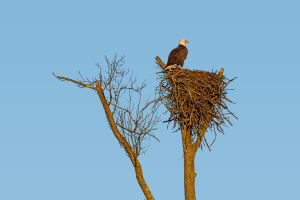
Have you ever noticed how a quiet afternoon spent watching birds can transform your perspective? Birds, with their vibrant colors and melodious songs, have long fascinated us.
Did you know that this simple hobby can play a crucial role in conservation? Birdwatching is not just a way to pass the time; it's an invaluable tool in protecting the environment and preserving wildlife.
Let's explore how birdwatching contributes to conservation efforts and why it's so important for the future of our planet.
Monitoring Bird Populations
Birds are often considered “indicator species,” meaning that their health and numbers provide important clues about the broader state of the environment. By observing bird populations, birdwatchers can help monitor the effects of climate change, habitat loss, pollution, and other environmental stressors. This information is critical for understanding the well-being of ecosystems as a whole.
Birdwatchers, both amateurs and professionals, collect data about bird sightings, behaviors, and migrations. This data is often shared with research organizations and conservation groups, helping them identify trends in species numbers, seasonal patterns, and even new threats.
For example, if a once-common species starts to disappear from a region, it may signal the need for a conservation response. The work of birdwatchers has led to the discovery of declining species long before they are officially listed as endangered.
Promoting Habitat Preservation
Birdwatching isn't just about observing; it's also about protecting. When birdwatchers frequent a particular area, they often become advocates for its preservation. The more people who value a location for its birdlife, the more likely it is that the area will be protected from development, deforestation, or pollution. Birdwatchers often join forces with environmental organizations to ensure that important habitats remain intact.
Take, for example, coastal areas that are critical for migratory birds. By raising awareness about the importance of these habitats, birdwatchers can help protect them from coastal development, which may otherwise disturb nesting sites or disrupt migratory routes. In many cases, local communities and policymakers take notice when there's public interest in preserving natural spaces for wildlife.
Raising Awareness About Conservation
One of the biggest impacts of birdwatching is its ability to educate the public about conservation issues. As more people get involved in birdwatching, they become more aware of the delicate balance in nature. Learning about birds and their habitats can inspire people to adopt environmentally friendly practices in their daily lives, like reducing plastic waste, supporting sustainable agriculture, or planting native plants to provide food for birds.
Birdwatching also promotes the idea of coexistence—living in harmony with nature. For example, birdwatchers often share their experiences through social media, birding groups, and local clubs, sparking interest in the preservation of local bird species and habitats. This creates a ripple effect where people not only develop a love for birds but also a commitment to the preservation of their environment.
Supporting Conservation Funding
The growing popularity of birdwatching has translated into financial support for conservation projects. According to studies, birdwatching contributes billions of dollars annually to the economy, especially through tourism and outdoor gear sales. Many birdwatchers travel to visit national parks, nature reserves, and other bird-friendly sites, providing crucial revenue for the protection and maintenance of these areas.
Some birdwatching groups also raise funds for specific conservation efforts. By participating in bird counts, charity events, and auctions, birdwatchers help provide the financial support needed to fund research, habitat restoration, and endangered species protection.
Engaging Local Communities
Birdwatching has a unique way of bringing communities together. In many parts of the world, birdwatching groups are actively involved in local conservation initiatives. By hosting educational workshops, nature walks, and volunteer programs, birdwatchers engage with local residents, schools, and businesses to promote environmental stewardship.
Through these community-based initiatives, birdwatchers often work directly with local farmers, landowners, and businesses to help them implement bird-friendly practices. For example, farmers might be encouraged to create hedgerows or plant wildflowers along their fields to provide food and shelter for local bird species. This collaborative approach not only benefits bird populations but also fosters a stronger sense of community responsibility toward conservation.
Documenting Bird Migration Patterns
One of the most remarkable aspects of birdwatching is tracking bird migrations. Every year, millions of birds travel thousands of miles to find the best habitats for breeding, feeding, and resting. By documenting these migration routes, birdwatchers help conservationists understand which habitats are crucial for different species at various stages of their journeys.
For instance, migratory bird species, such as the Arctic Tern or the Monarch Butterfly, depend on specific stopover points along their routes to rest and refuel. If these areas are disturbed or lost, it can disrupt the entire migration process, leading to population declines. Birdwatchers provide invaluable data on these migration patterns, which can then be used to protect critical stopover sites.
Birdwatching isn't just about spotting rare species or marveling at the beauty of a bird in flight. It's an essential part of global conservation efforts. Whether by monitoring bird populations, promoting habitat preservation, or raising awareness about environmental issues, birdwatching has a profound impact on the protection of wildlife and ecosystems.
The more we observe and appreciate birds, the more we realize how interconnected our well-being is with theirs. In the end, every bird we help protect leads to a healthier planet for all species—humans included. So, grab your binoculars, head outside, and become part of the movement to conserve and protect the birds that make our world a better place.