When we think of ancient human expression, the image of early humans dancing around fires is often the first thing that comes to mind. Dance is one of the oldest forms of communication, predating even written language.
But why has this art form endured across millennia? From ancient rituals to modern-day performances, dance is deeply embedded in human history.
This enduring presence highlights its importance, not just as a form of entertainment, but as a powerful means of expression and connection.
The Origins of Dance
It is believed that dance began as a natural extension of human movement. In the beginning, dance wasn't a structured art form but a spontaneous reaction to music, storytelling, and emotions. Early humans used dance as a way to communicate, celebrate, and express deep emotions in a way words could not.
Whether it was to celebrate a successful hunt, or express grief, dance served as a primal outlet for expression.
Long before the advent of writing, people used dance to convey stories and traditions. These rituals helped preserve history and culture, passed down through generations in the form of dance.
Dance as a Universal Language
One of the reasons dance has endured throughout history is its ability to transcend language barriers. Unlike spoken language, which varies widely across cultures, the expression of movement is understood universally. The rhythm of a dance can express joy, sorrow, anger, or hope in ways that words simply cannot.
This universality made dance a vital part of early human culture, allowing people from different regions to communicate, celebrate, and mourn together, even without a shared spoken language.
Even in modern times, dance continues to serve as a universal form of communication. Whether through ballet, hip hop, or folk dances, people can connect to one another through shared movements, despite coming from vastly different backgrounds. Dance helps bridge cultural gaps, creating a common ground that speaks to the shared humanity in all of us.
Emotional and Physical Expression
Dance also serves as a vital outlet for emotional and physical expression. Throughout history, people have turned to dance to release tension, express joy, or cope with sorrow. The physicality of dance—its movements, gestures, and rhythms—offers a means of processing emotions that might otherwise be hard to articulate.
This deep connection between body and emotion is why dance is so powerful and enduring.
Early dances were often intense and highly expressive. These movements served as an emotional release for communities, helping them cope with stress and trauma. Today, modern dance continues to serve as a form of therapy and self-expression, whether through contemporary dance performances or therapeutic practices like dance/movement therapy.
In both cases, the dance provides a safe and controlled space for individuals to connect with their emotions and experiences.
The Evolution of Dance in Society
As societies evolved, so did the forms of dance. From ancient ceremonial dances to the sophisticated choreography seen in ballet and contemporary performances, dance has continually transformed alongside human culture. The rise of formalized dance in European courts during the Renaissance marked a significant shift, as dance became a form of entertainment for the elite.
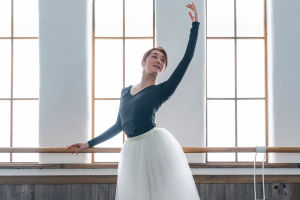
By the 19th century, ballet became one of the most refined and structured forms of dance, with strict rules, techniques, and performances.
At the same time, more grassroots forms of dance, such as folk dances, continued to thrive in communities around the world. These dances often reflected the cultural traditions and social dynamics of specific regions, keeping the connection between dance and community strong. Today, dance is still widely celebrated in both professional and recreational forms, from ballet to breakdancing, street dance, and everything in between.
Preserving Tradition Through Dance
Despite its evolution, dance has remained a crucial tool for preserving traditions. Many cultures continue to use dance as a way to celebrate their history and pass down important values and customs to younger generations.
Folk dances, for instance, often tell the story of a community's heritage, expressing a collective identity that binds the past with the present.
Through dance, people are able to tell their stories and preserve the unique elements of their culture. These dances often evolve over time, but the core movements and meanings remain intact, linking the present generation with its ancestors. The preservation of dance as a cultural art form ensures that future generations will continue to have access to the rich history and traditions of their forebears.
Conclusion: The Enduring Power of Dance
Dance is one of the oldest human arts for a reason: it's a fundamental part of who we are. Whether it's through expressive movement, emotional release, or cultural preservation, dance continues to serve as a vital form of communication and expression.
By connecting us with our past, expressing our deepest emotions, and transcending language barriers, dance remains a timeless and powerful art form. It's no surprise that, after thousands of years, we still turn to dance to tell our stories, express our feelings, and celebrate our shared humanity.