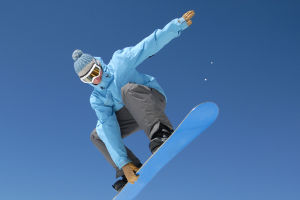
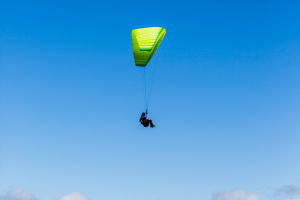
Snowboarding down a snow-covered mountain or freefalling through the sky—extreme sports are all about pushing limits, conquering fear, and feeling the rush of adrenaline. But with high speeds, risky maneuvers, and unpredictable conditions, safety is always a concern for athletes and enthusiasts alike.
How can these sports, with all their danger, evolve to make participants safer while still providing that thrill? Fortunately, both snowboarding and skydiving have seen impressive innovations that aim to reduce risks and enhance safety without compromising the heart-pounding excitement these sports provide.
So, what are the latest advancements in safety technology for these adrenaline-packed activities?
1. Enhanced Snowboard Helmets: Smart Protection
For snowboarders, the helmet is the first line of defense against head injuries. Traditional helmets have been designed for basic protection, but the latest models are incorporating smart technology to provide even greater safety. New helmets now come with sensors that detect impacts and can alert emergency services automatically in case of an accident.
One of the most innovative developments is the inclusion of integrated communication systems. These systems allow snowboarders to stay in contact with each other or their guides in real time, which is especially useful for backcountry riders in remote areas where help may not be nearby. If a snowboarder gets caught in an avalanche, these helmets can send a distress signal to rescue teams with GPS coordinates.
Key Features:
• Impact detection: Smart sensors in the helmet can detect a crash and send a signal for help.
• Integrated communication: Enables riders to stay in touch, especially in remote areas.
• Avaliable with avalanche airbags: Some helmets now come with built-in avalanche airbags that deploy automatically in the event of a snow slide.
2. Avalanche Safety Gear: More than Just Shovels and Beacons
Speaking of avalanches, they're one of the most dangerous risks snowboarders face in backcountry terrain. Over the years, avalanche safety equipment has evolved to provide better protection in such scenarios. Beyond the standard beacon, shovel, and probe, there are now avalanche airbags that can be worn as part of a backpack. These airbags, when deployed, help keep the snowboarder above the snow in the event of a slide.
The technology behind avalanche airbags has been improving rapidly. Modern airbags are lighter, faster to deploy, and more reliable. They now come with digital sensors that help monitor avalanche conditions and alert users to dangerous situations before they even begin to ride.
Key Features:
• Avalanche airbags: When deployed, they increase your chances of staying on top of the snow.
• Digital monitoring: Sensors that track avalanche risks and give real-time feedback.
• Lightweight designs: More compact and comfortable to wear during intense riding.
3. Skydiving: Automated Activation Devices (AAD)
Skydiving has always been risky, with the biggest concern being the proper deployment of the parachute. Skydivers rely on manual deployment, but a new safety feature known as the Automated Activation Device (AAD) is helping to reduce accidents caused by human error. This device monitors altitude and automatically deploys the main parachute if the skydiver fails to do so at a certain height.
The AAD is particularly useful in cases where the skydiver becomes unconscious or disoriented, as it ensures the chute opens even if the jumper is unable to pull the cord. While it's not a replacement for skill or training, it acts as an added layer of protection, ensuring that the skydiver has a safer experience.
Key Features:
• Automatic deployment: AAD automatically opens the parachute if the jumper doesn't deploy it.
• Altitude sensing: Monitors the skydiver's altitude to ensure deployment happens at the right time.
• Backup safety system: Offers peace of mind by providing a failsafe mechanism in case of emergency.
4. Parachute Innovations: Safer and More Reliable Canopies
In the world of skydiving, one of the greatest safety improvements has been the development of more reliable and forgiving parachutes. Modern canopies are designed with more stability, better glide, and faster descent times. This has made the sport much safer, especially for beginners.
One notable advancement is the introduction of the “square” or “ram-air” parachute, which has a rectangular shape rather than the traditional round design. This allows for better maneuverability and control, which is crucial for landing safely. Additionally, these canopies are designed to be more resilient, reducing the chances of a malfunction during a jump.
Key Features:
• Square parachutes: Provide better control, stability, and softer landings.
• More reliable materials: New, stronger materials make parachutes less prone to malfunctions.
• Faster deployment: Modern canopies open more quickly and reliably.
5. Airbag Technology in Skydiving Suits
Airbags aren't just for snowboarding anymore. Skydivers have begun to use inflatable airbag suits to cushion their landings. These suits are equipped with small, built-in airbags that inflate upon landing to reduce the impact on the body, similar to those used in vehicle safety systems.
The development of airbag suits for skydiving is particularly important for the safety of tandem jump instructors and their passengers. When landing with a beginner, the suit helps absorb some of the shock and ensures a smoother, safer touchdown. The airbag also has a weight-to-height ratio, allowing it to work for both light and heavy individuals.
Key Features:
• Inflatable airbags: Airbags inflate to cushion the landing and reduce injury.
• Lightweight design: Suits are designed to not weigh down the skydiver during the jump.
• Tandem safety: Protects both instructor and passenger during tandem jumps.
6. Monitoring and Tracking Systems: Real-Time Feedback
Advances in wearable technology have enabled both snowboarders and skydivers to track their performance and monitor safety metrics in real-time. For snowboarders, this includes smart watches and apps that measure speed, altitude, and the number of runs completed. These devices can also track vital signs, providing immediate feedback on things like heart rate or body temperature.
In skydiving, real-time tracking systems are used to monitor altitude, speed, and descent trajectory. Some systems even connect to ground-based stations, allowing friends or coaches to track a skydiver's jump in real-time for added safety. This real-time monitoring can also be a key tool for rescue teams in case of an emergency.
Key Features:
• Real-time performance tracking: Monitors key metrics like speed, altitude, and heart rate.
• Emergency alerts: Devices can send distress signals in case of a fall or mishap.
• GPS integration: Tracks movement and trajectory, ensuring that the jumper is on the right path.
Ending: A Safer Future for Extreme Sports
Snowboarding and skydiving are not just about the thrill; they are about pushing boundaries while taking safety seriously. With innovations like smart helmets, automated deployment devices, and advanced parachute designs, these extreme sports have come a long way in ensuring safety without compromising the rush of the experience.
The future looks even brighter as technology continues to evolve, promising even safer adventures for enthusiasts. So, whether you're carving down a snow-covered mountain or soaring through the sky, know that these cutting-edge innovations are here to make your journey a little bit safer—and a lot more thrilling.